See you tomorrow at the market…
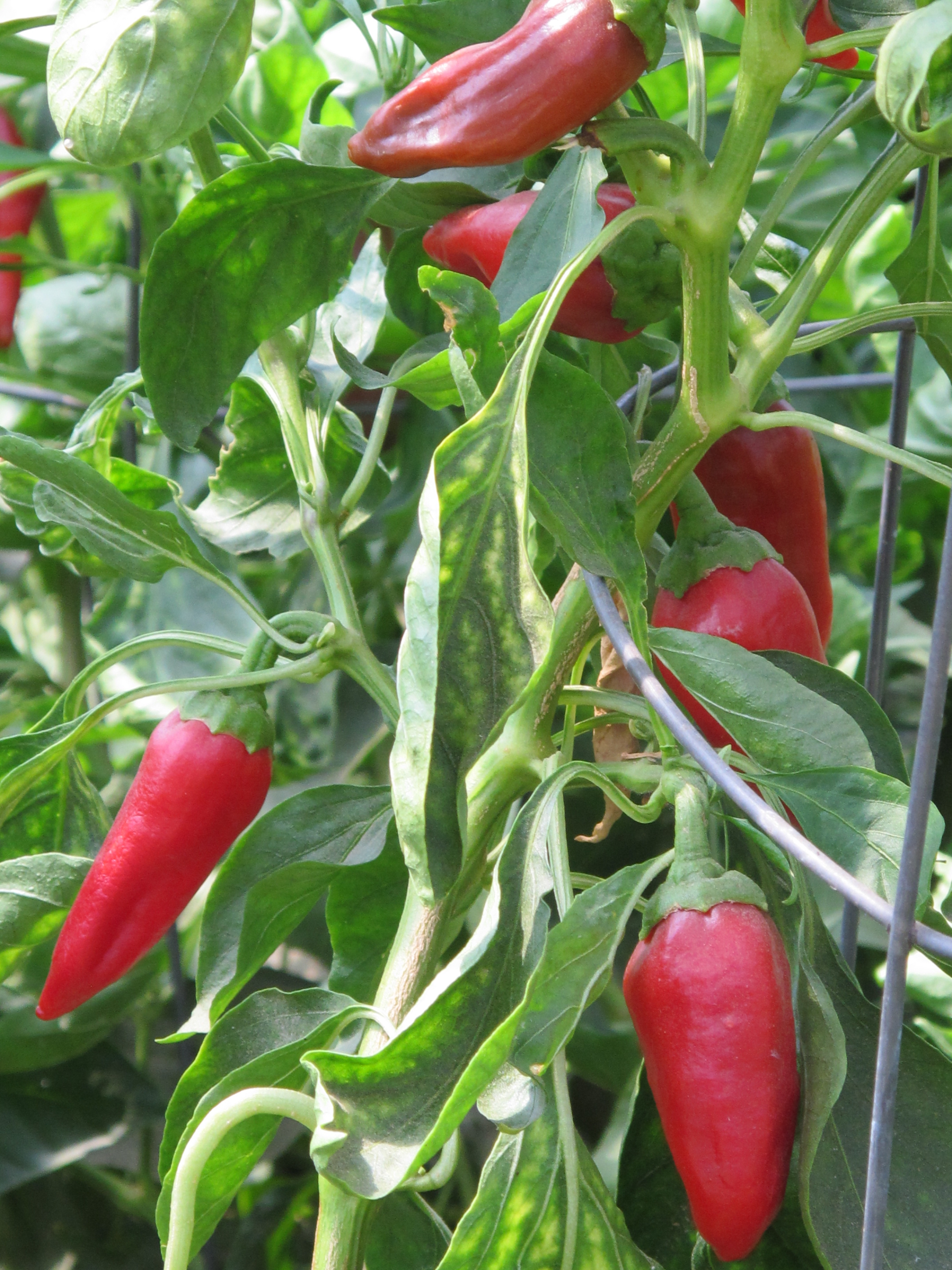
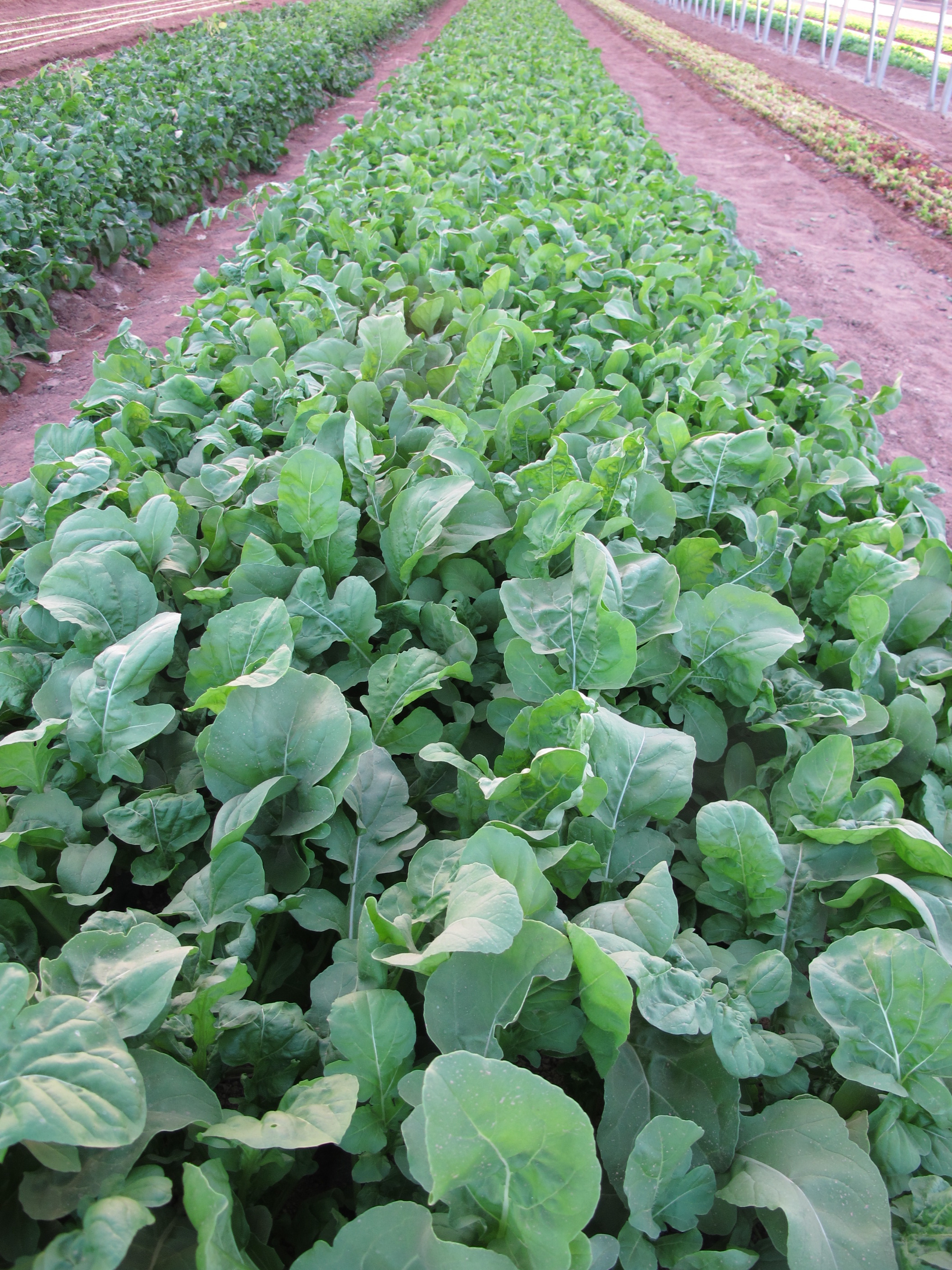
Tomorrow is our first market of the season at Town & Country. The farm is a beehive of activity right now getting things picked and ready. We are excited to get back into the swing of things, and that cooler temperatures are finally on the horizon. There will be plenty of beautiful organic produce to choose from, and a lot of these beauties…
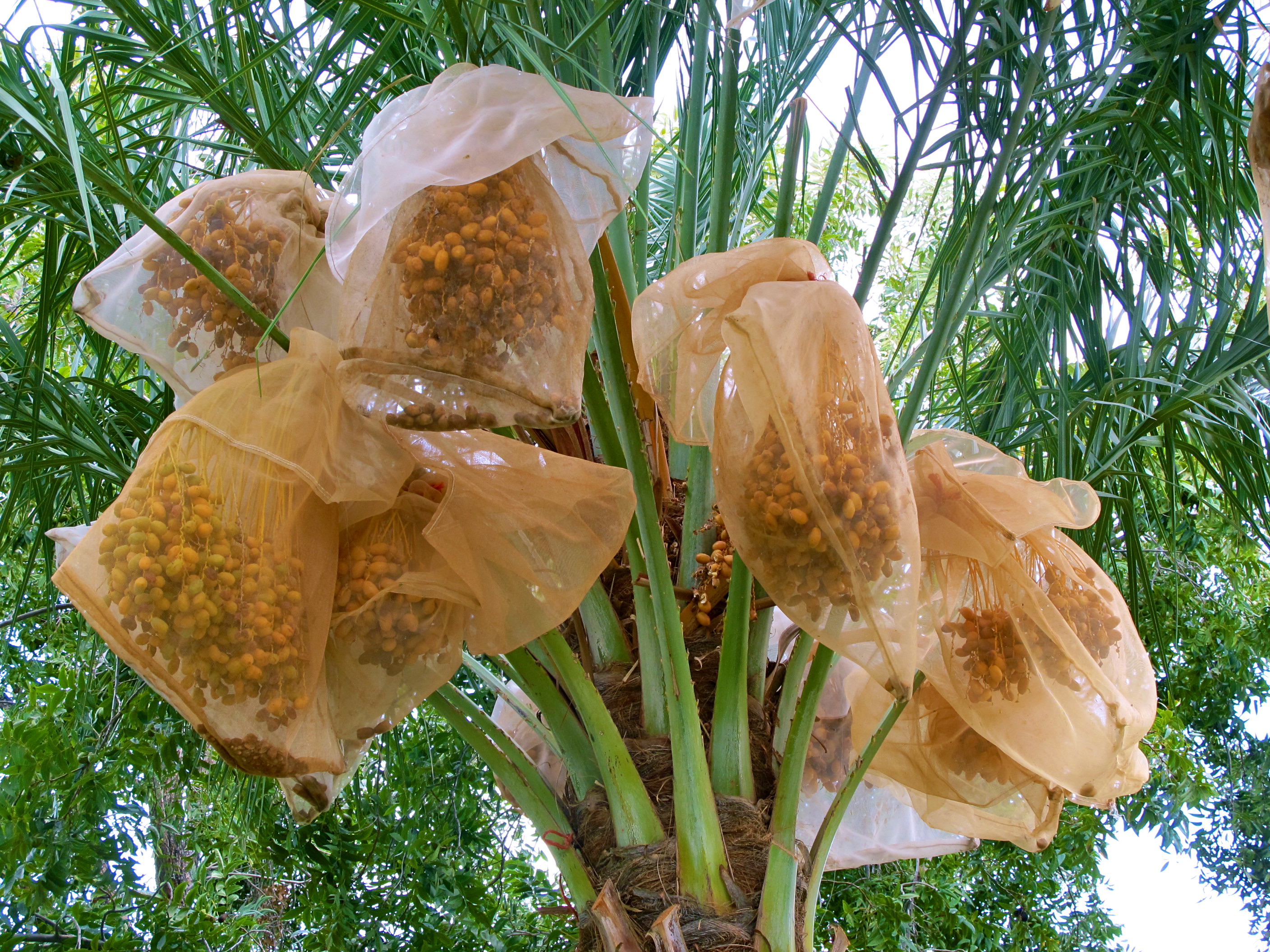
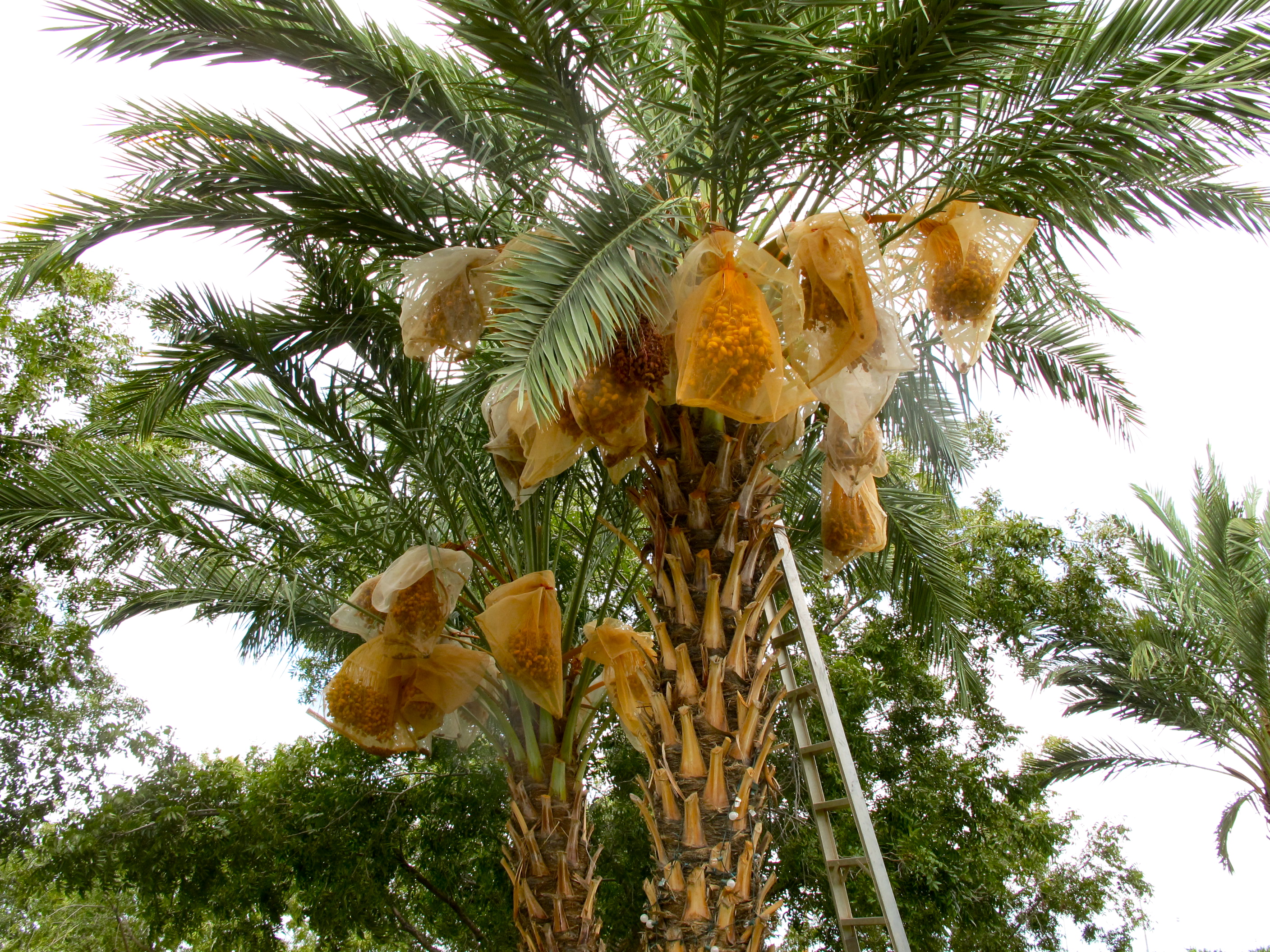
The Medjool dates are in full harvest right now and they are wonderful! Low in fat, high in fiber, rich with iron and potassium, and they taste like candy!! There will be plenty at the market tomorrow.
See you at Town & Country!
Town & Country Shopping Center
Wednesdays starting October 5th, 2011
From 8:30am to 2:00pm
4881 North 20th Street
Phoenix, AZ 85016
Old Town Scottsdale Farmers’ Market
Saturdays starting October 29th, 2011
From 8:00am to 1:00pm
Located on the Southwest corner of 1st Street and Brown in Scottsdale.
Brown is one block East of Scottsdale Road. 1st Street is two blocks South of Indian School Road.
Sea of Basil…

The basil is waist high in the basil house right now. A new friend described it as a sea of basil. When you are walking through the rows, it feels like it. And it smells like heaven. Just walking past it you will suddenly have visions of pesto, pizzas and caprese salads dance through your head. The best part… it will be at the market in less than a week!

Speaking of pizzas and basil… we did the impossible this week. We walked into Pizzeria Bianco’s and, get this, got seated. That’s right… just walked right in and sat down. At a table. I’m still not over the shock of it. (I will now probably regret letting this cat out of the bag.) I do love that place. Sean and I remember going years ago when you could get right in, back when I worked in downtown Phoenix and Bianco’s was open during lunch hours too. We were Bianco loyalists even during the years of the three hour waits with a line that started forming an hour before they opened. Chris Bianco has always been a big supporter of ours as well, and we couldn’t be happier for him with the new changes going on at the Pizzeria and at Pane Bianco’s, and his host of other new adventures. We are more than happy to celebrate his success… especially at a table with one of his signature Margarita pizzas!

We are finally seeing forecasts coming that are two digits, not three, and all of the hard work Sean has done laser-leveling, bed-forming, seeding and watering is starting to show signs of life all over the farm. Finally there will be cooler evenings, promises of butternut squash soup, and seeing all of our old friends again at the markets. We are looking forward to being back into that routine – as we are sure all of you are as well. Here is some of the latest from around here…




We can’t wait to see you all again at the Town & Country Farmers’ Market next week. We will be there bright and early on Wednesday morning! (As I know you will be too…)
Town & Country Shopping Center
Wednesdays starting October 5th, 2011
From 8:30am to 2:00pm
4881 North 20th Street
Phoenix, AZ 85016
Old Town Scottsdale Farmers’ Market
Saturdays starting October 29th, 2011
From 8:00am to 1:00pm
Located on the Southwest corner of 1st Street and Brown in Scottsdale.
Brown is one block East of Scottsdale Road. 1st Street is two blocks South of Indian School Road.
String theory…

So this is our latest high-tech gadget around here. It looks like just a piece of string, right?
Oh, it is. But it is also so much more.
Awhile back, Sean decided to invest in this fancy-schmancy system for the tractor that would help him make completely straight rows in the field. The straighter the rows, the more we can fit into the field and the better it is for watering the crops evenly. The system Sean purchased was supposed to use GPS to help guide the tractor and keep it on as straight of a path as possible. But, as anyone with GPS in the car knows, there is a certain margin for error at play when you are bouncing data off of satellites. If we were a bigger operation with thousands of acres, this might have worked. But for a farm our size, we needed something a with a little more precision and accuracy than what the GPS could offer. So back went the fancy-schmancy system, and Sean was left trying to figure this out.
And then that moment came, the one your high school math teacher promised would happen, where you realized you really would use those things you were taught in the ninth grade. Sean remembered that the shortest distance between two points is a straight line. And now this is what we have all over the farm…

Sean surveyed out the fields and then installed metal pipes into the ground. He measured exactly between each pipe, so they are a consistent distance and wide enough for Sean to drive through with the tractor. Before he forms a new bed, a string is tied between the two metal pipes at either end of the field.

In truth, it does take a little more than a string to make this work. Sean fiddled with trying to figure out how to accurately see the string from his angle up in the driver’s seat, so he could stay in line consistently and keep his eye on the field as he drove. That is when he did this…

He attached an arm to the side of the tractor that was balanced perfectly over the string. He then attached a wireless D-Link camera to it pointing toward the ground, with a ruler and guidelines along the side of it, so he could make sure that the camera was at the properly centered.

There is a wireless network he puts up in the tractor when he needs it. It then receives this feed and sends it to an iPad that Sean can mount in the tractor and monitor while he drives.
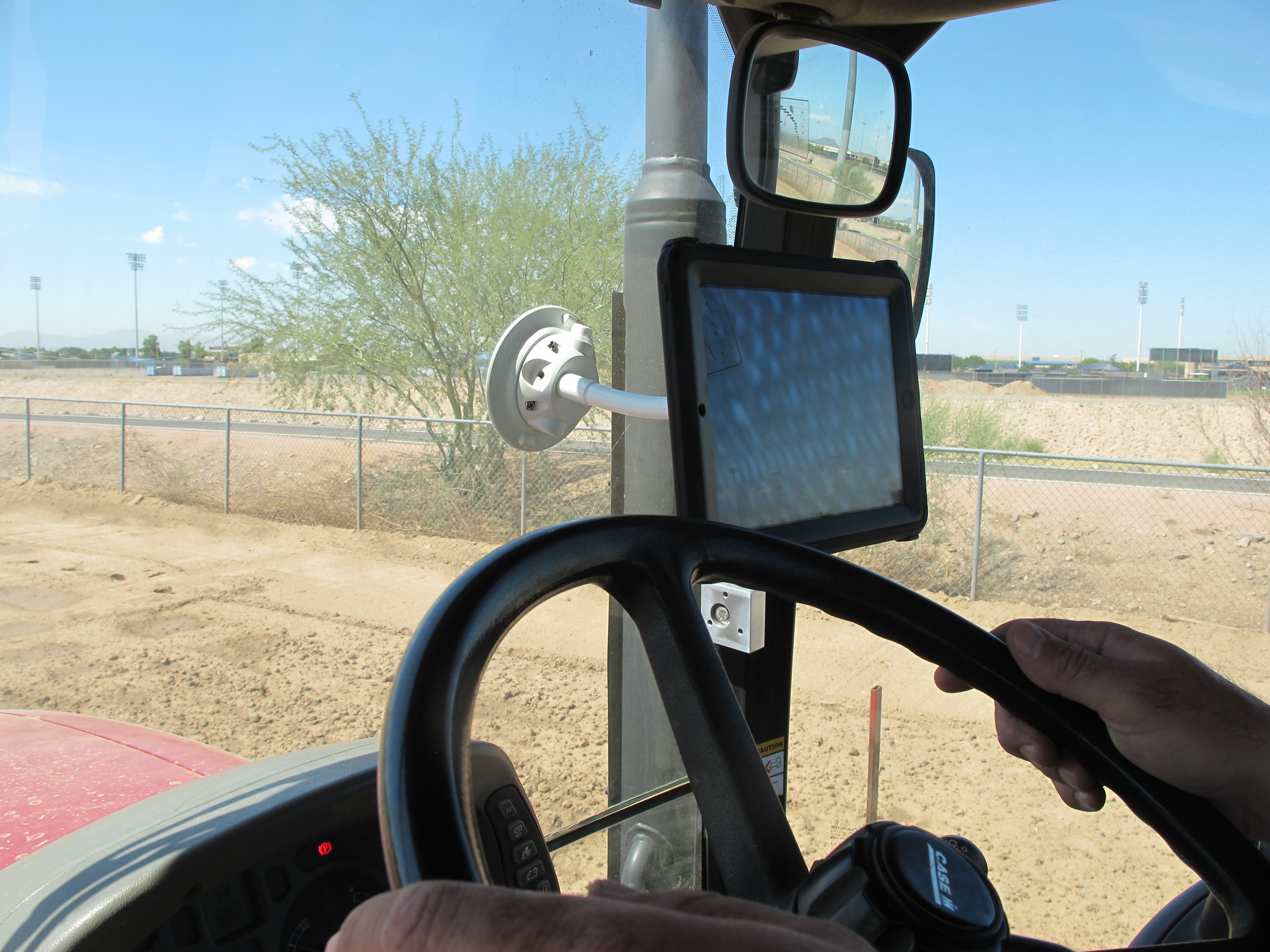
So now he drives the tractor while watching the string on the iPad to make sure it stays perfectly in line while he is pulling the bed-former.

(And here I thought he was just out there playing “Angry Birds”…)

For the price of a wireless camera and some string, we now have rows that are perfectly straight. This has not only made the fields look prettier, in my opinion, but it has allowed us to expand our growing areas.

Take that fancy GPS, you got beat by a string!
Doing the wash…
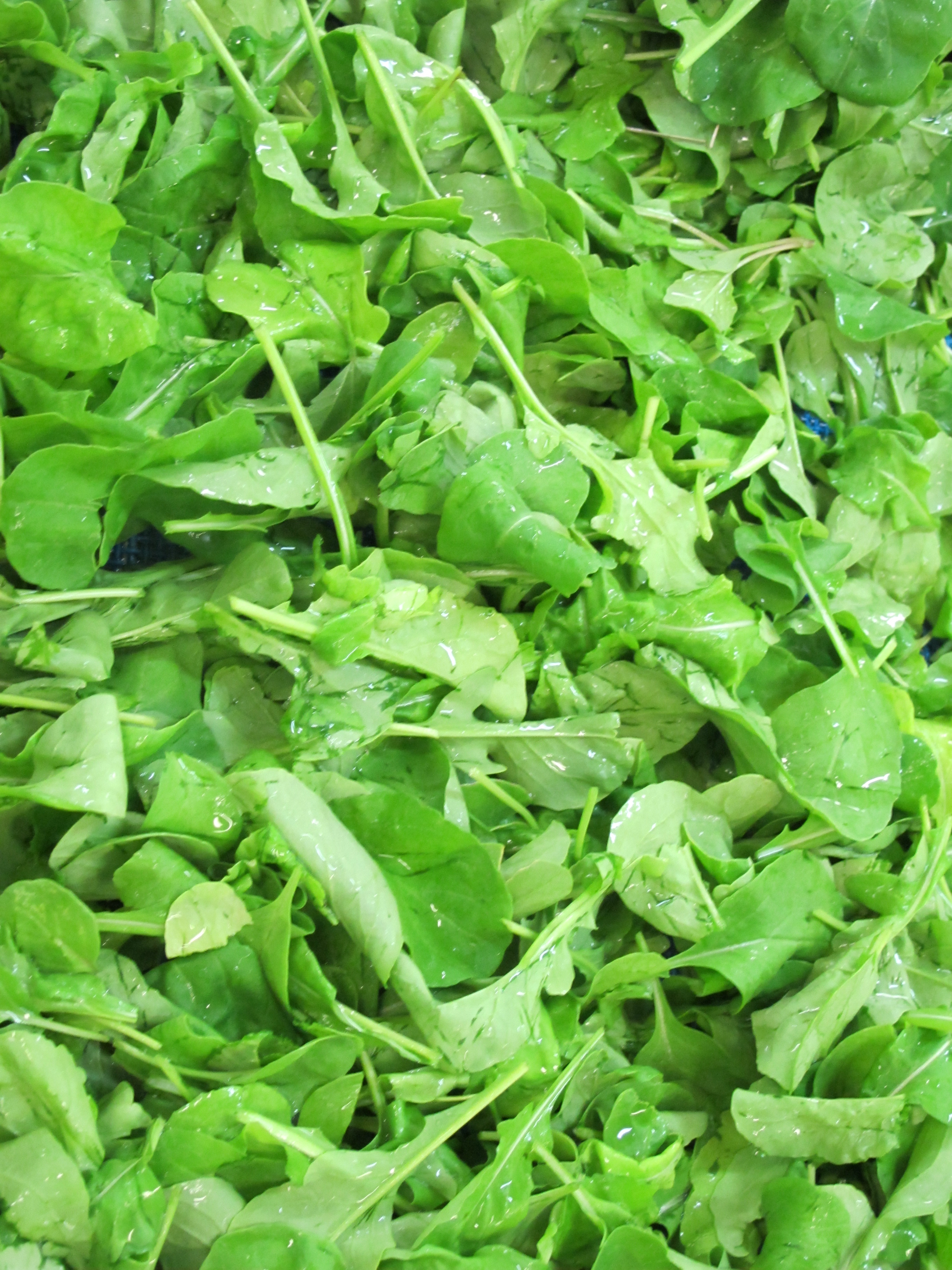
We get asked a lot about how are our greens washed. So, I thought I would tell you, and even better, show you. Because it’s kinda cool. (34-degrees cool to be exact.)
This crazy thing below is our baby greens washer. It washes all of the greens that come out of our fields, from our baby salad greens to the spinach, arugula, and lollo rosa. I am pretty sure there is not another one like it in Arizona. When Bob and Marsha first went looking for something that could properly wash the greens, they wanted to find a washer that would gently and naturally wash the greens, while protecting the quality and freshness of the just harvested leaves. They looked at a number of much larger pieces of equipment, but Bob was worried that the mechanical contact with the delicate leaves of other washers would do too much damage to the greens. Bob is a little obsessive about the greens we grow and he wanted something that would be just as obsessive about how they were washed.
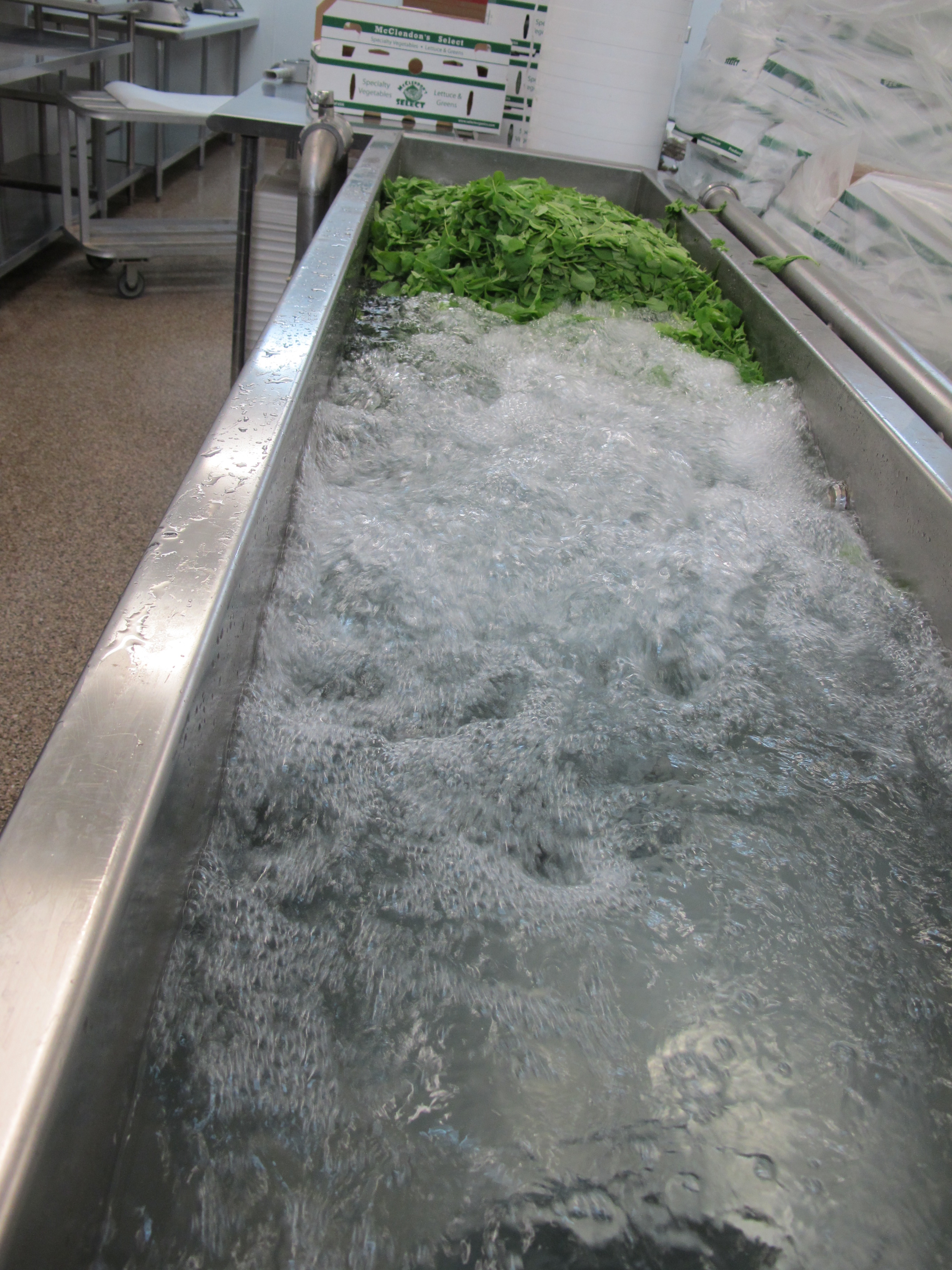
What they eventually found was a company called Turatti, out of Italy, that had a machine Bob saw was that was about five times this size. It handled the greens gently, but cleaned them thoroughly without causing any damage or spoilage. The original machine was much more than what we needed, but when Bob talked with the company, he found that they made washers more suited to a farm our size. So much of the farming in Italy comes from small, family run farms that they understood what exactly what he was looking for and his desire to preserve the quality and freshness of the greens. The Turatti moves the greens through an icy bath of potable water (kept at 38-42 degrees) using air bubbles and gentle water jets, much like a spa would, to agitate the greens and clean and rinse them thoroughly. The bottom of the stainless steel tub is concave, so the greens are able to gently roll through the bath, while any sediment falls away to the bottom. Everything we use is NSF (National Sanitary Foundation) stainless steel, which is the best for food handling.

As the greens are moved to the end of the tub, there is a water fall that floats the leaves onto a nylon mesh conveyor belt. The greens are taken up the belt, with the water falling below along with any remaining sediment or dirt.
 The leaves are then dropped into a basket below, with cool air that blows off any that may stick to the belt.
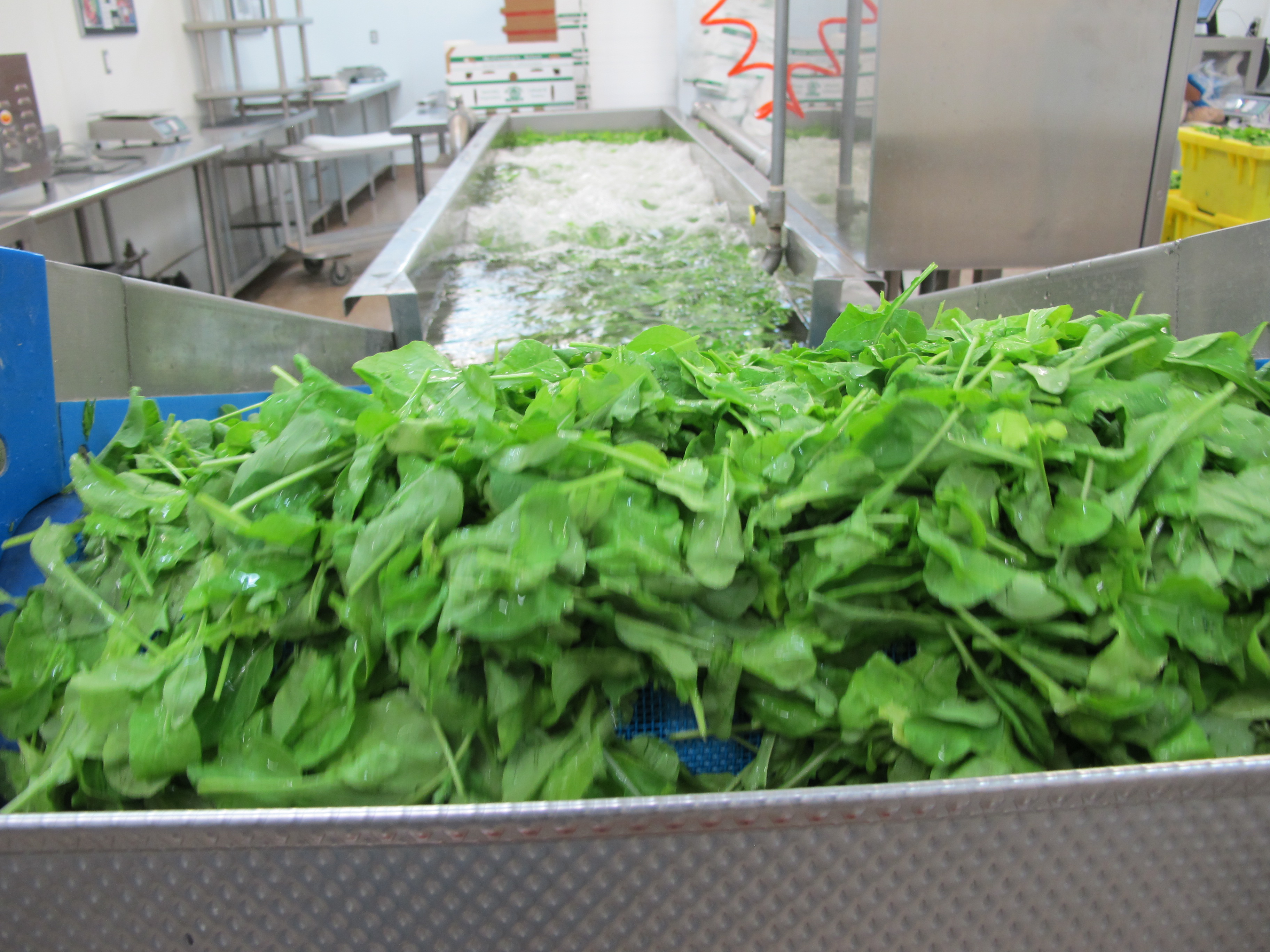
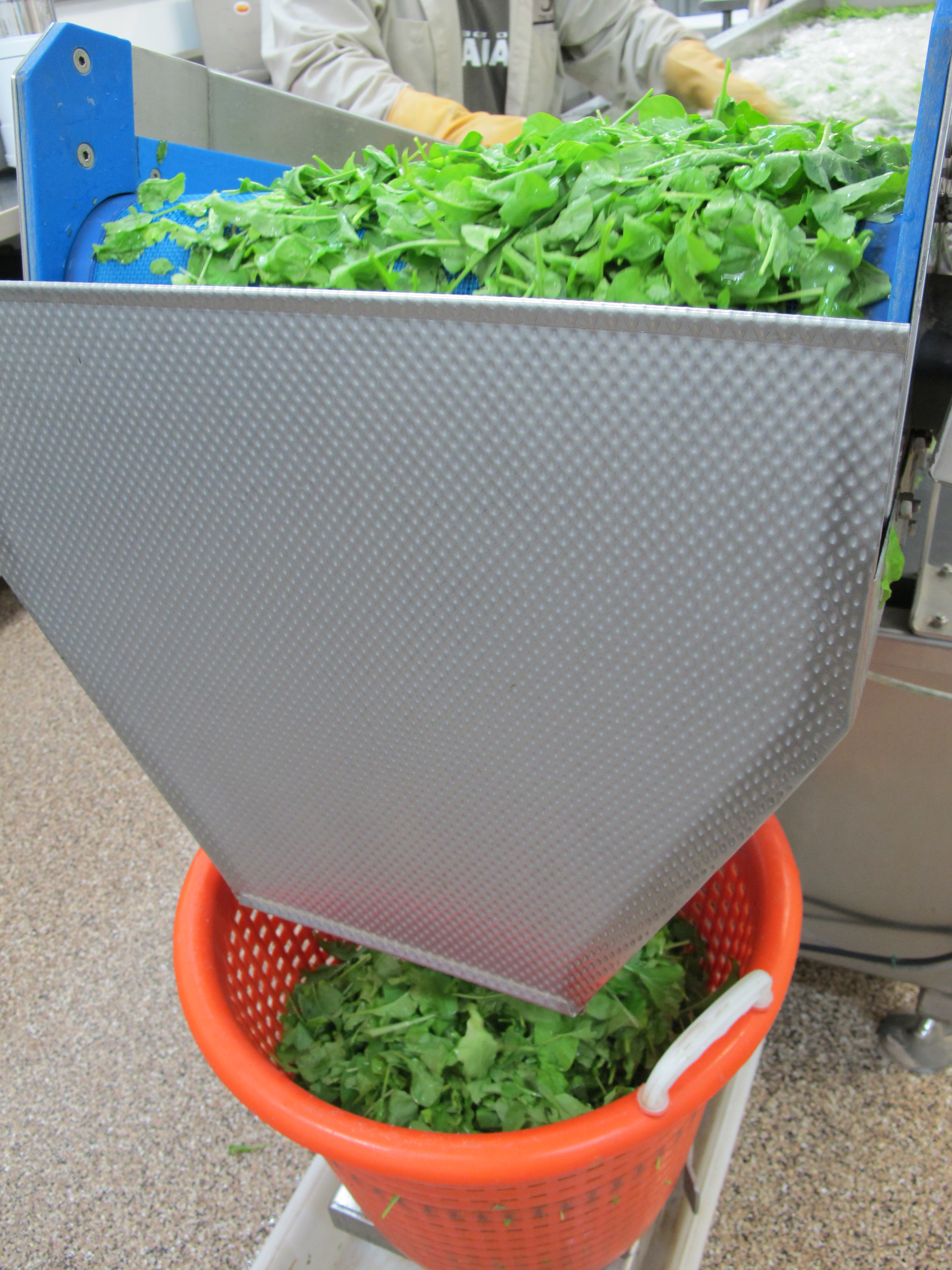

The baskets are then put into a large custom-made dryer that starts to spin them slowly and then picks up speed. These baskets don’t hold as much as other types of greens dryers, and for good reason. Often times when washing greens, it is the process of drying the leaves that creates the most damage. Most greens washers use baskets to dunk the greens in and out of water, allowing gravity to pull the water out. They are then spun at a high rate of speed to remove any remaining water. By allowing the greens to be exposed to air first on the convertor belt, and then spun slowly and increasing the speed gradually, the water is not weighing against the leaves and crushing them in the process. When gravity or centrifugal force is used too aggressively it can create abrasion against the leaves that will cause breakage and later spoilage. By doing this process gently and with smaller amounts of greens at a time, there is less weight on the leaves as they are drying, allowing them to be cleaned without damage. Whenever there is any kind of damage to a leaf it doesn’t just affect the spoilage of that leaf, but it can increase the rate of break down and spoilage for all of the greens.
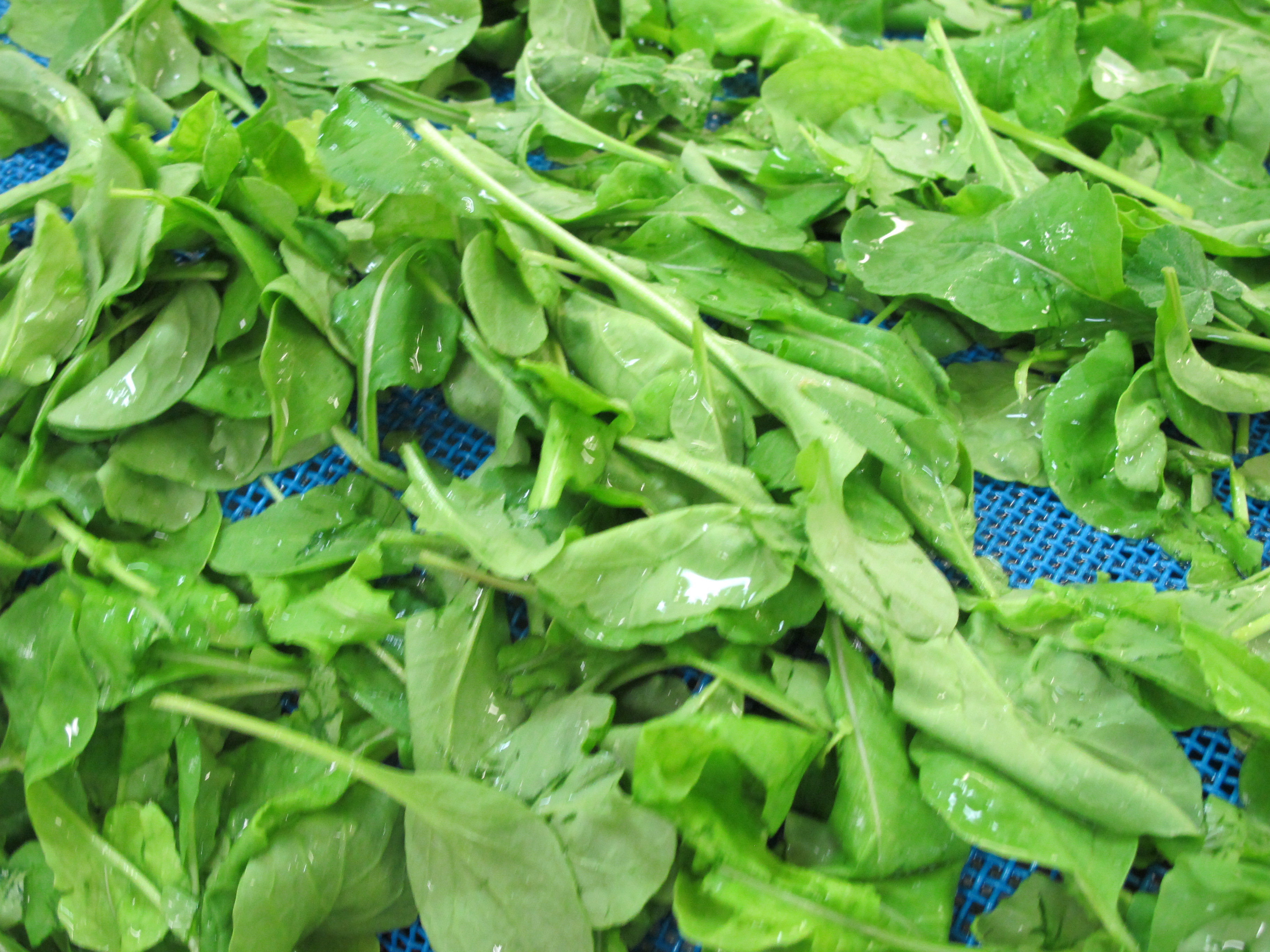
When we harvest any type of greens, they are immediately brought into a walk-in refrigerated box that is kept at 34-degrees. Once the greens have been chilled, we then have them washed in the 38-42 degree water. All of this is done in a clean room environment that is kept at 60-degrees. After the washing and drying, the greens are then boxed and put back into the walk-in box until the next day’s delivery to the farmers’ market or a restaurant. We keep the temperature controlled at every stage, to make sure that the greens stay fresh longer and so that they will taste their best when served.
As with everything we sell, we advise our customers to keep all produce at its proper temperature when they return home, and to wash everything themselves before serving. We have a prior post on the care and storage of all of the organic produce we sell, that you can find here or using the link at the top of the blog. Leafy greens should always be kept as cold as possible in your refrigerator, preferably in an open bag. Closing the bag will suffocate them and cause them to start breaking down quicker. Allowing the bag to stay open keeps air flowing to the greens.
As you can tell, Bob really does “baby” our greens.
(That’s okay – you don’t have to laugh at my jokes.)
On our way to the markets…

McClendon’s Select is coming back to the farmers’ markets!
We are excited for all of the wonderful things that are going in the ground right now that will be ripe and ready to be harvested in time for the markets. We will be back at the Town & Country market on Wednesday, October 5th and at Old Town Farmers’ Market on Saturday, October 29th. We look forward to seeing everyone again and hope that you have had a wonderful summer.
Town & Country Shopping Center
Wednesdays starting October 5th, 2011
From 8:30am to 2:00pm
4881 North 20th Street
Phoenix, AZ 85016
Old Town Scottsdale Farmers’ Market
Saturdays starting October 29th, 2011
From 8:00am to 1:00pm
Located on the Southwest corner of 1st Street and Brown in Scottsdale.
Brown is one block East of Scottsdale Road. 1st Street is two blocks South of Indian School Road.
Labor(-ing) day…
 (Double click on any photo to see it in a larger size)
There was some serious laboring going on around here for Labor Day yesterday. (Farms aren’t great at recognizing the concept of a three-day weekend.) That said, it was a nice feeling to see how much progress was made. Sean was excited that he had planted the most number of seed beds that we have ever done in one day. He is looking to break that record again tomorrow.
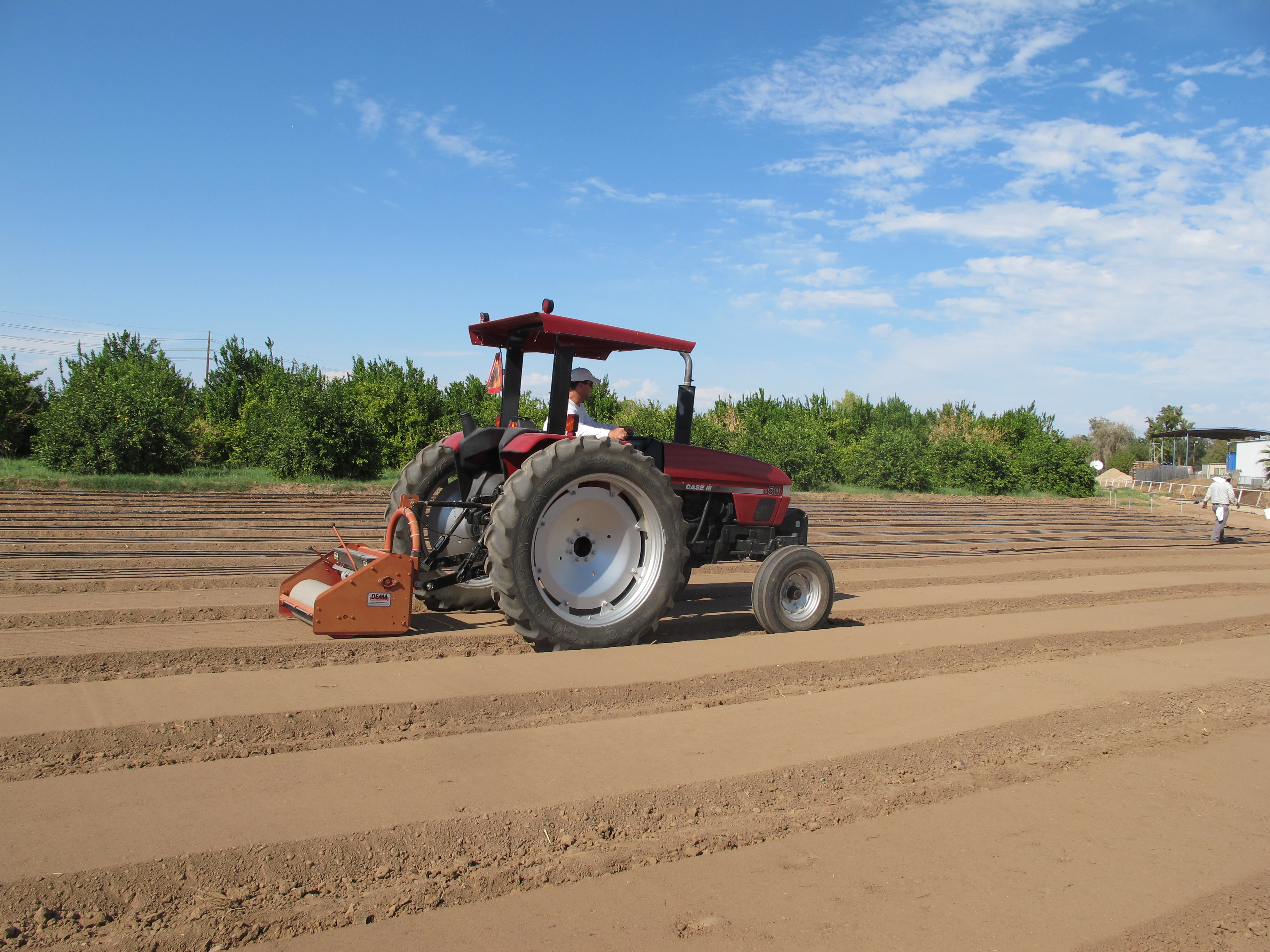
The other nice thing about yesterday, beyond the satisfaction of a solid day’s work, was that the planting was done faster, more efficiently and easier than it has been in the past. A little technology goes a long way.

The planting was more streamlined because of the new seed planter Sean pulled behind the tractor. Before all of this was done with a bicycle planter, or belt planter, that was pushed by hand as you walk along side the rows. Belt planters have grooves in the wheels that make holes in the ground and then a seed is dropped in. The spacing can be adjusted depending on type of plant and the space you want in the rows. It has worked in the past, but the margin for loss is greater since the depth of the seed planting was inconsistent and the row spacing wasn’t as exact.

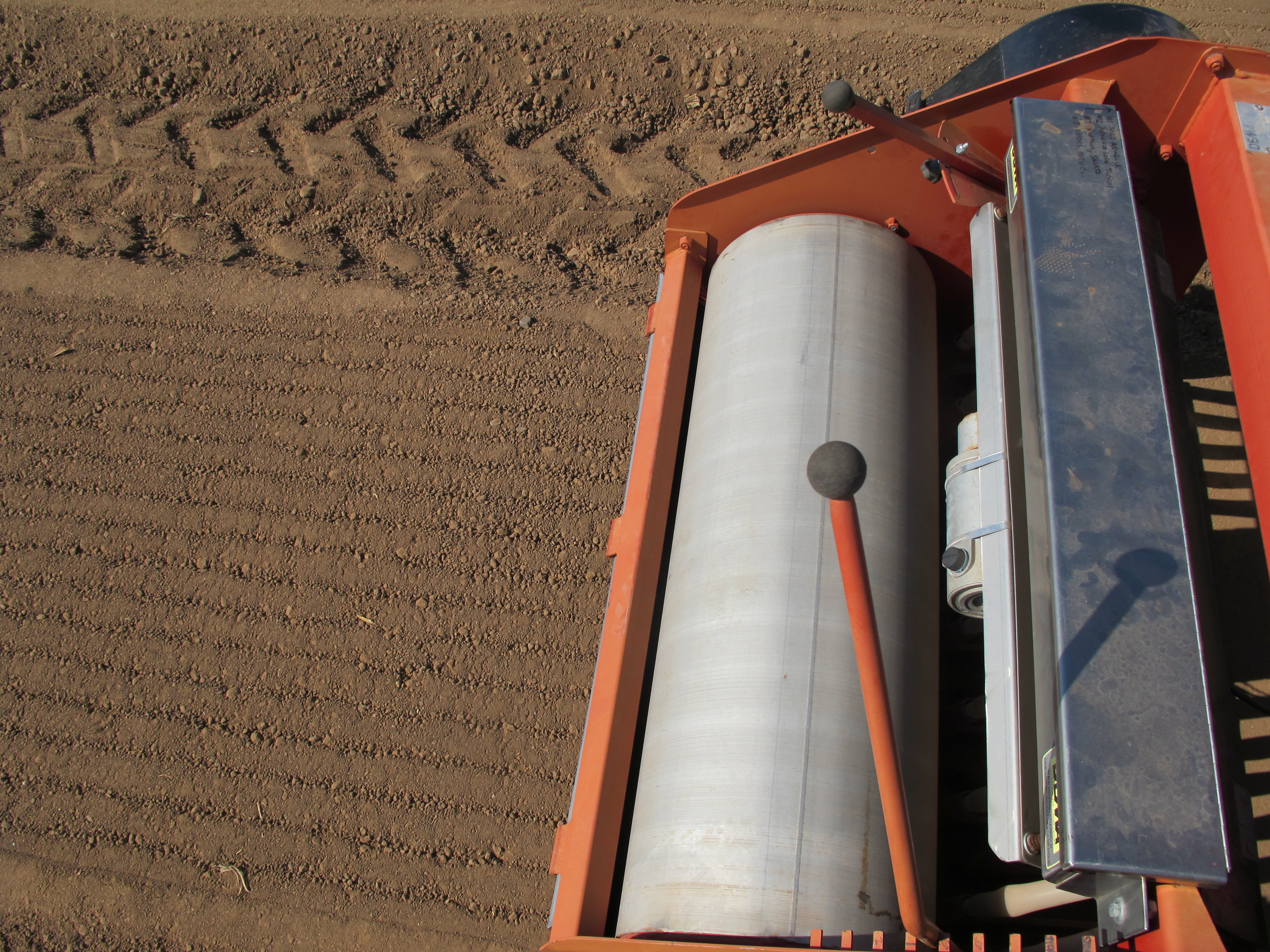
With the new planter, Sean was able to plant faster, more efficiently and maintain a consistent height of the seeds in the soil, yielding more product per seed bed than ever before. The seeds are planted in at a consistent height in the soil, which allows for a greater rate of germination, since all of the seeds will have the same access to water.

He was able to adjust the number of lines of seed per bed, and plant them with exact spacing, which is not as easy to do by hand. This will also allow for greater cultivation, since there is more product per seed bed than ever before. Our rows now are straight with a sub-inch row accuracy, which means we are using up as much available ground for growing as possible, without an inch going to waste. If there is room in the dirt, Sean will find it and plant on it.
The field has gone from this…

To this…
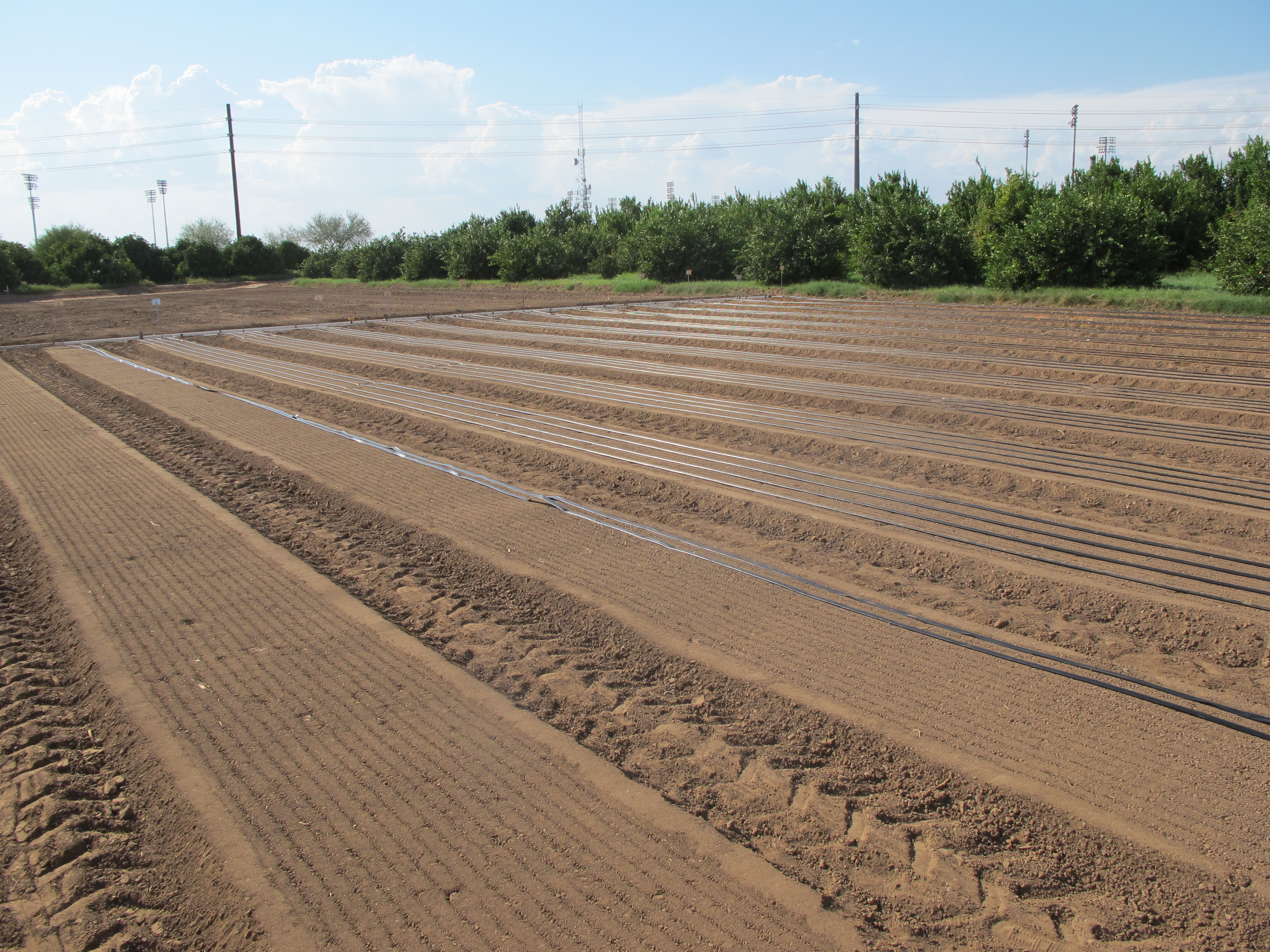
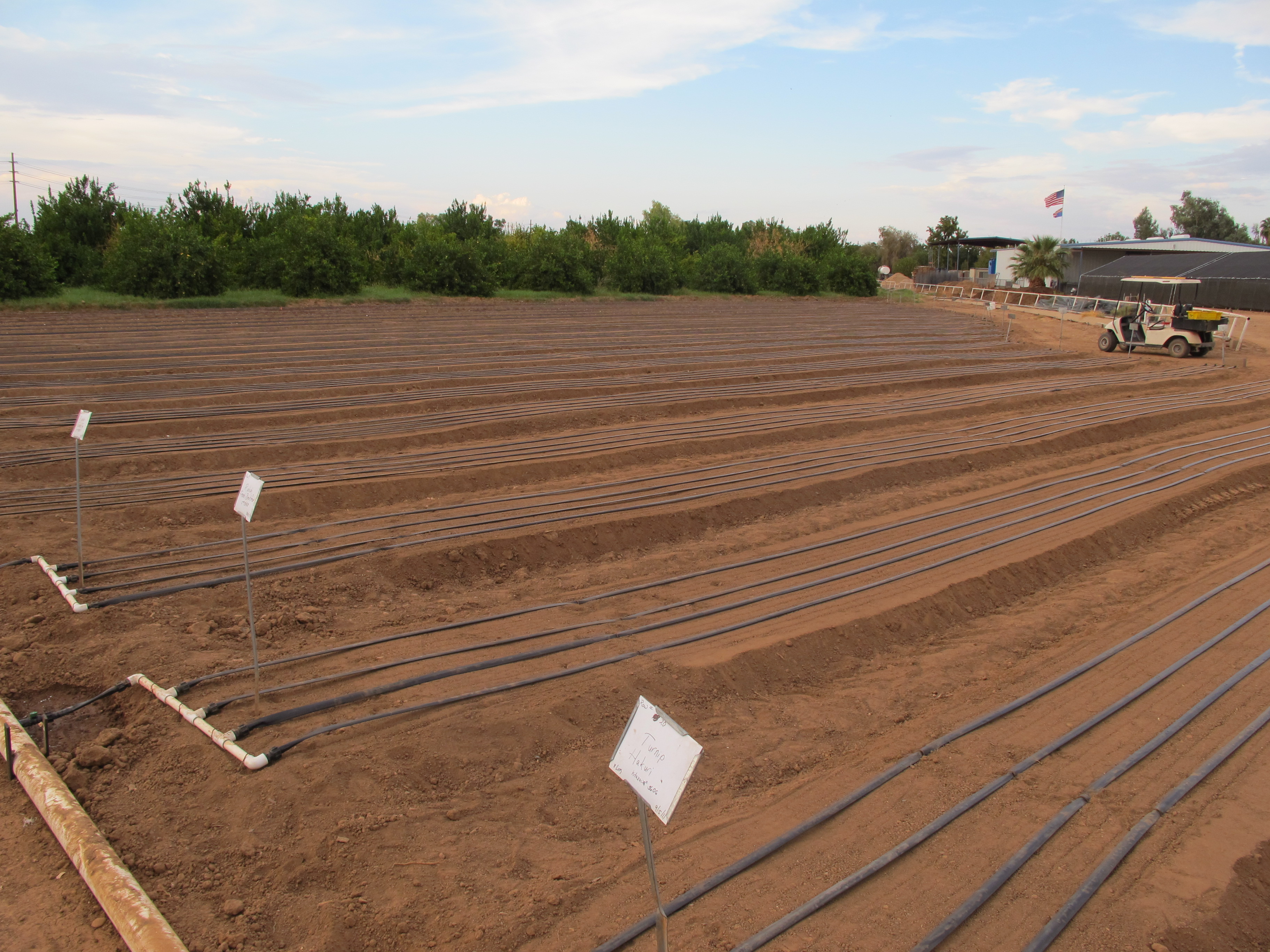


We should start seeing growth within the week and all sorts of things ripe and ready for harvesting in time for the farmers’ markets next month.
Now that doesn’t mean that some things aren’t still done best by hand. The garlic and I’itoi onions, for instance, still goes in the ground the old-fashion way, one bulb at a time, by hand. He had to get a little hard labor in there some where, it wouldn’t be fair to have the tractor do all of it on Labor Day.


At the end of the day, he had Easter Egg and French Breakfast radishes, I’itoi and Menegi onions, leeks, turnips and garlic planted. The best part is that he was able to do all of this and still get home at a reasonable time for dinner. As much as he likes putting all of this in the ground, I like it more when he is able to get home and enjoy it on his dinner plate. That was our own celebration of labor yesterday.
It’s the little things…
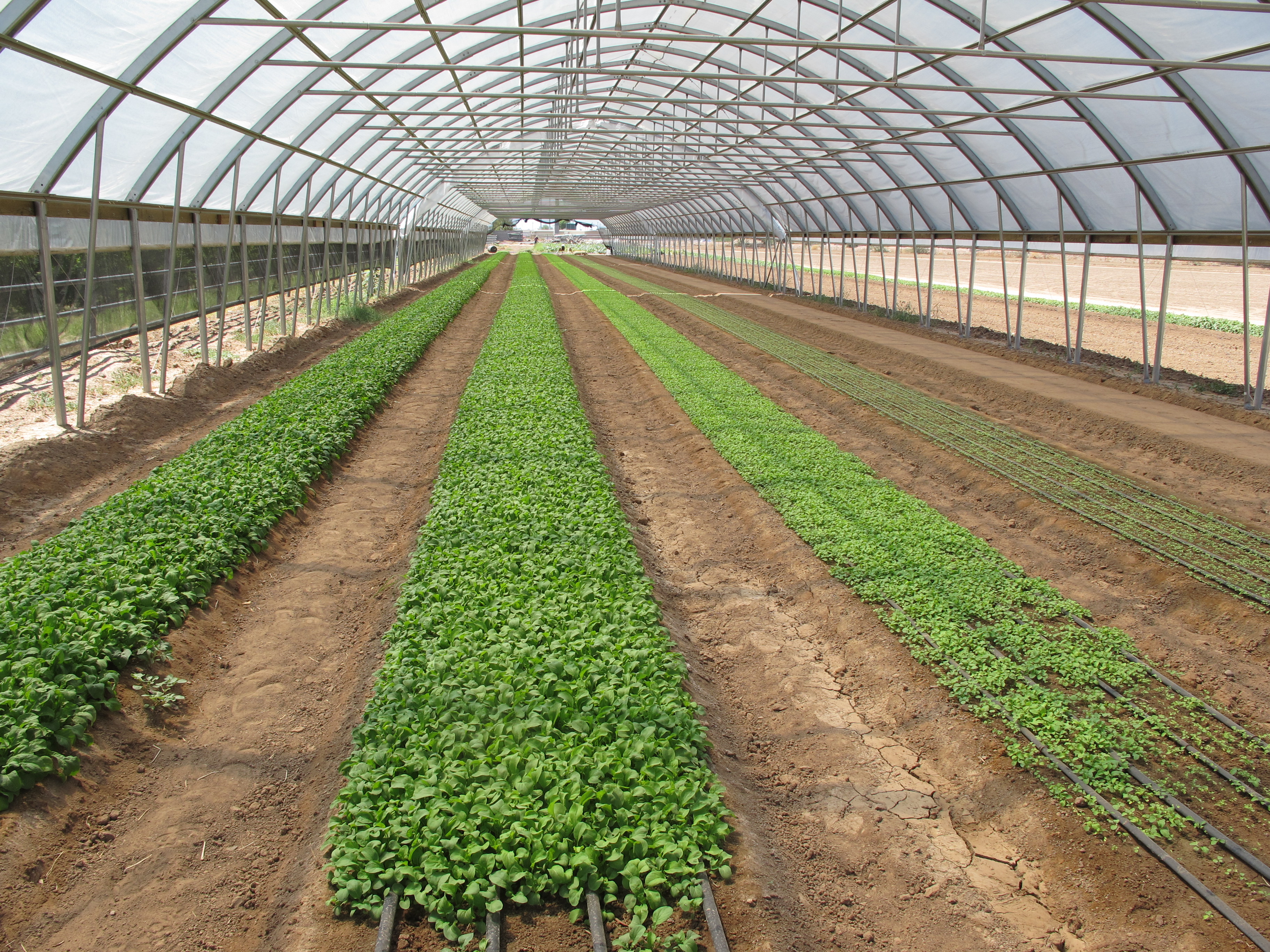
It is the little things around here that keep us going. If you look closely, there are little things in the works all over. The high tunnel is coming to life once again, despite the summer heat continuing to blast the Valley like a furnace. Rows of little arugula plants are sprouting up, with the help of water and plenty of shade. Look again and you can see the arugula in each stage of growth.
From this…
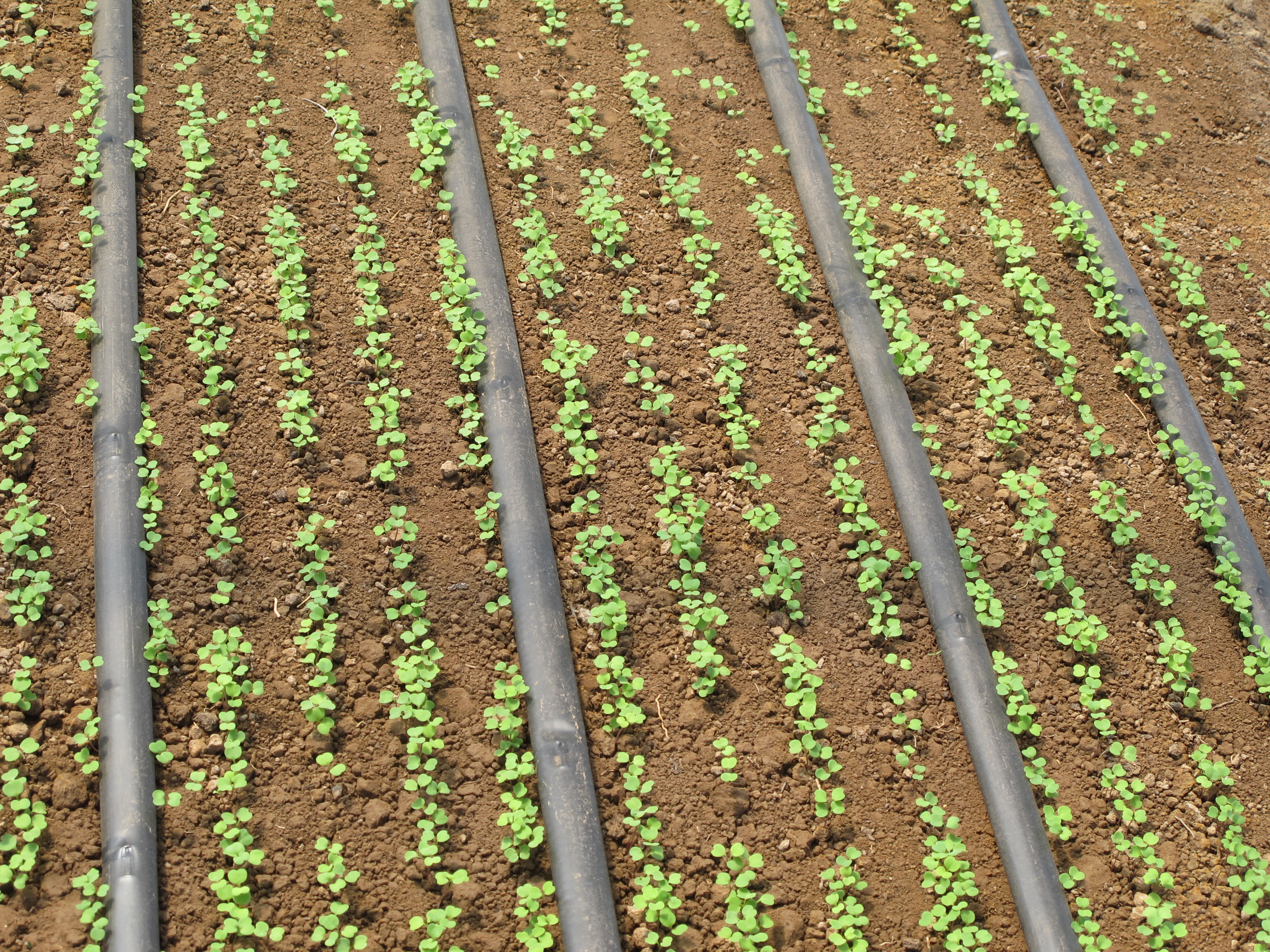 To this…

To this…
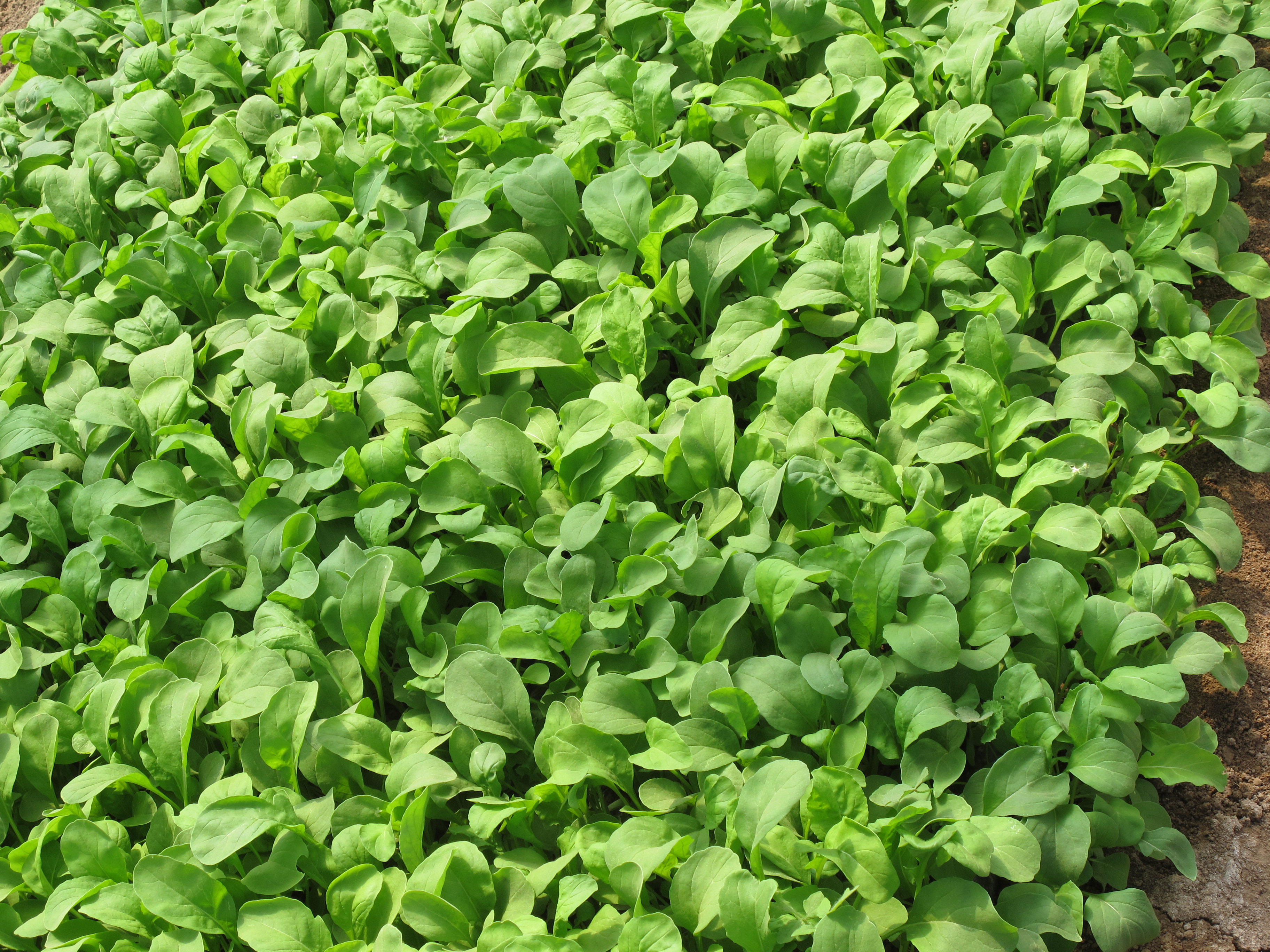
Why the difference? Well, each section was planted about a week apart, so that they may be harvested and then replanted a week apart, rather than having all of it fully grown and ready for picking at the same time. There is more than a little planning involving in getting this down to a perfect science. But the details matter. We do this with a number of crops to make sure that there is enough each week for the restaurants we work with and the farmers’ markets once they are back in full swing. When it cools off a little more, we will rotate the arugula out of the high tunnel and allow something else to enjoy the shade it provides.
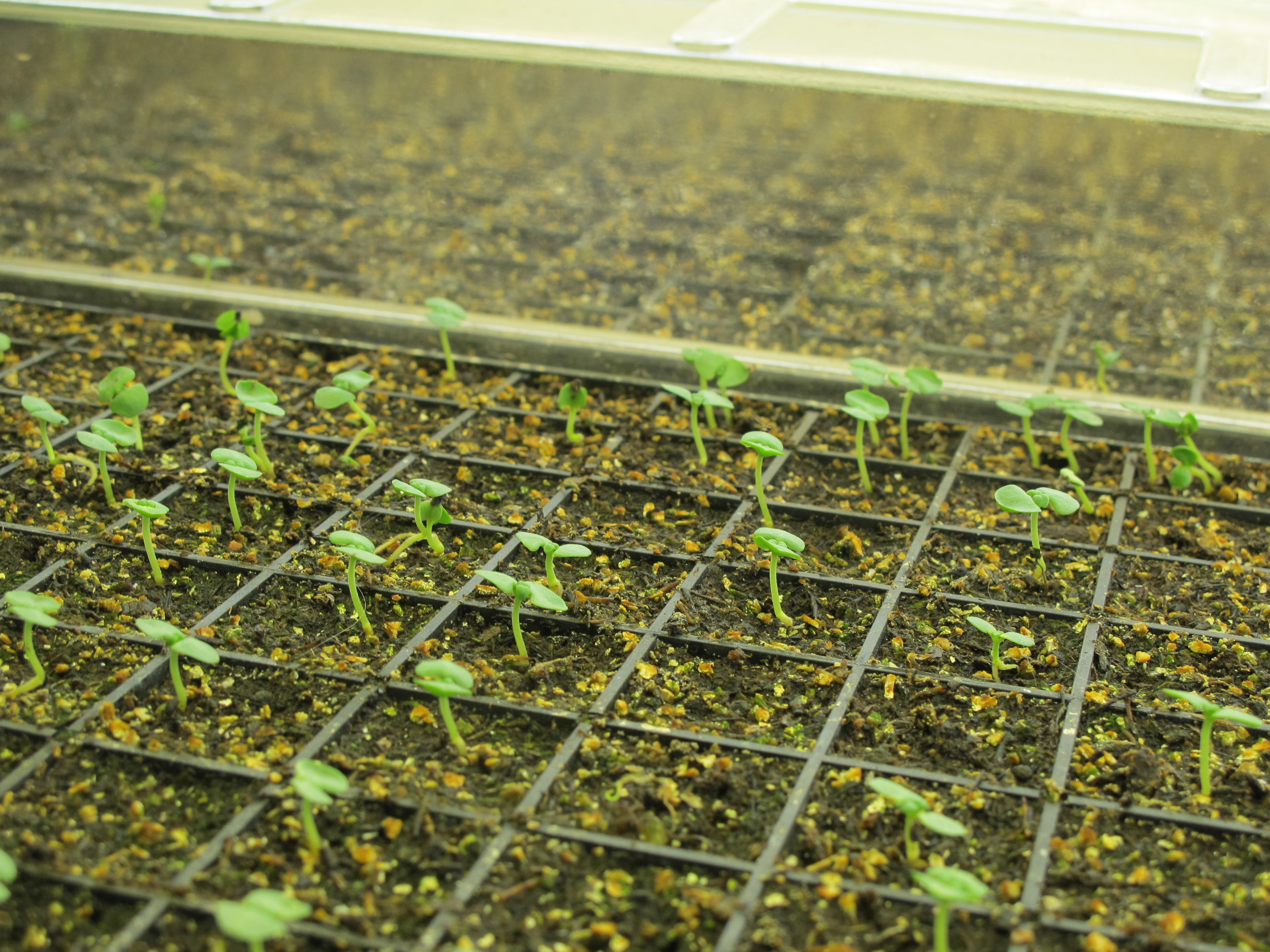
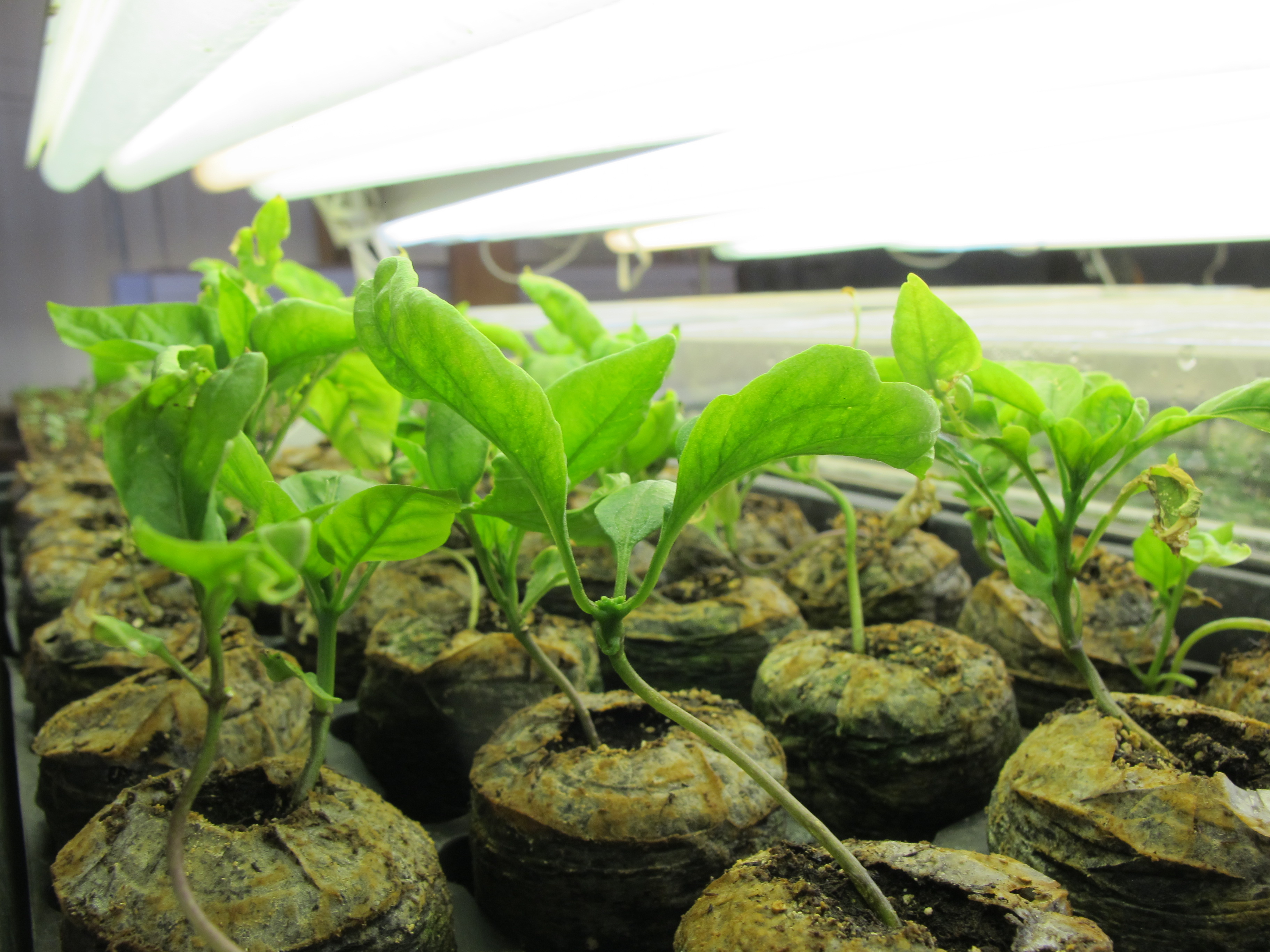
Inside under the grow lights, it looks the same. We have little plants in all stages, waiting for their turn out in the field. The grow lights are working overtime to get all of the seedlings for our fall crops mature and hearty enough for planting. Right now it is too hot even in the green house, so we have the grow lights set up where it is shaded and cool to keep the seedlings from burning up. When it cools off enough during the day we will move them into the green house and then finally out to the fields.
Often in this heat plants are not able to properly germinate. By keeping them protected like this, we cut down on crop losses, and also prevent the birds from who are more than happy to eat up the seed as fast as it goes into the ground.
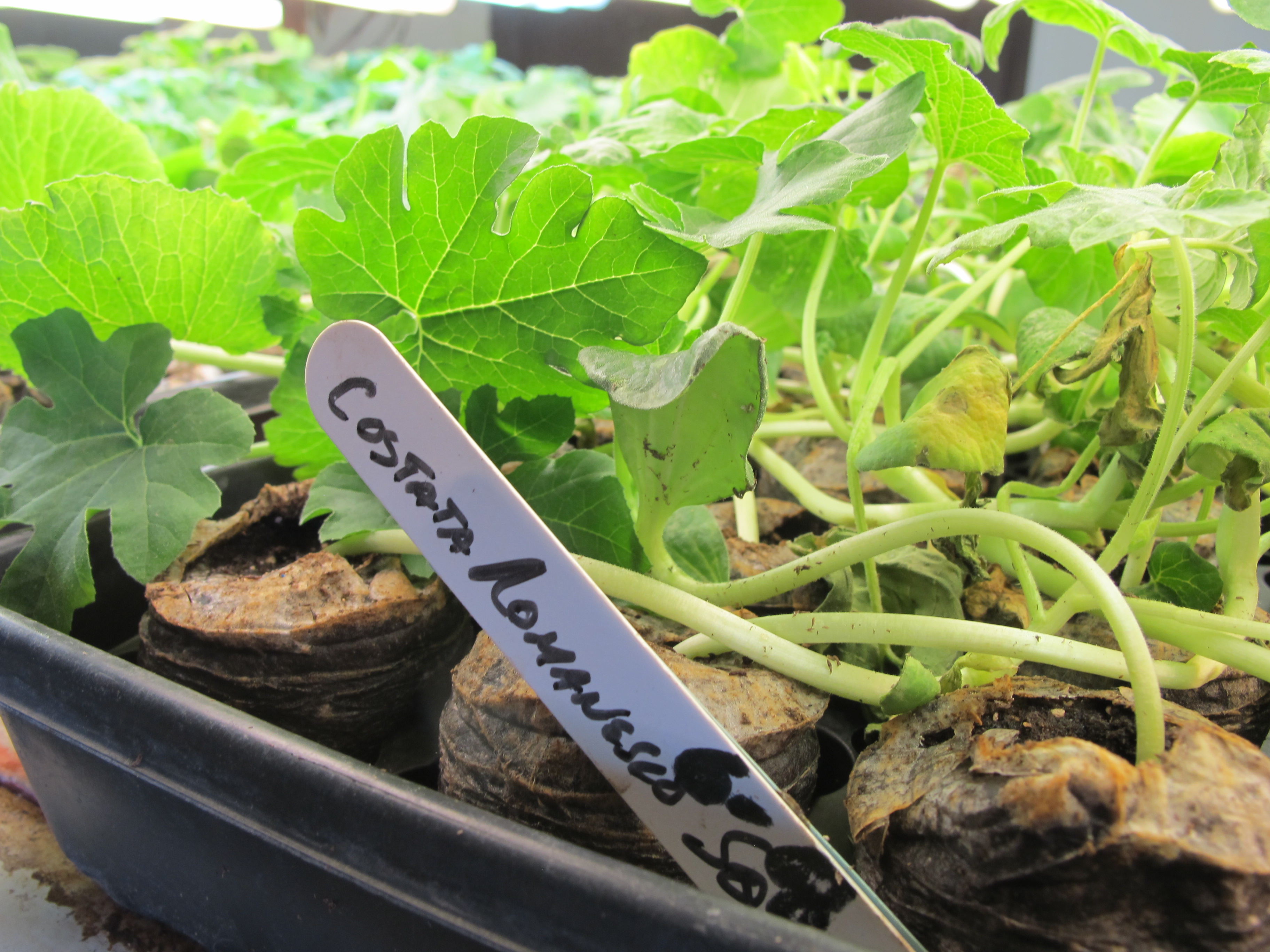
Under the lights right now we have sun gold tomatoes, eggplant, watermelon, squash and basil. We rotate the crops under the lights or in the greenhouse, just as we do in the fields. It is a constant cycle of staying out of the heat, planning the harvest before even putting a plant in the ground, and outsmarting the birds. As one goes out, another comes in. And on, and on, it goes.
Like I said, it’s the little things.
Speaking of which, did you know okra plants had such a pretty flower?
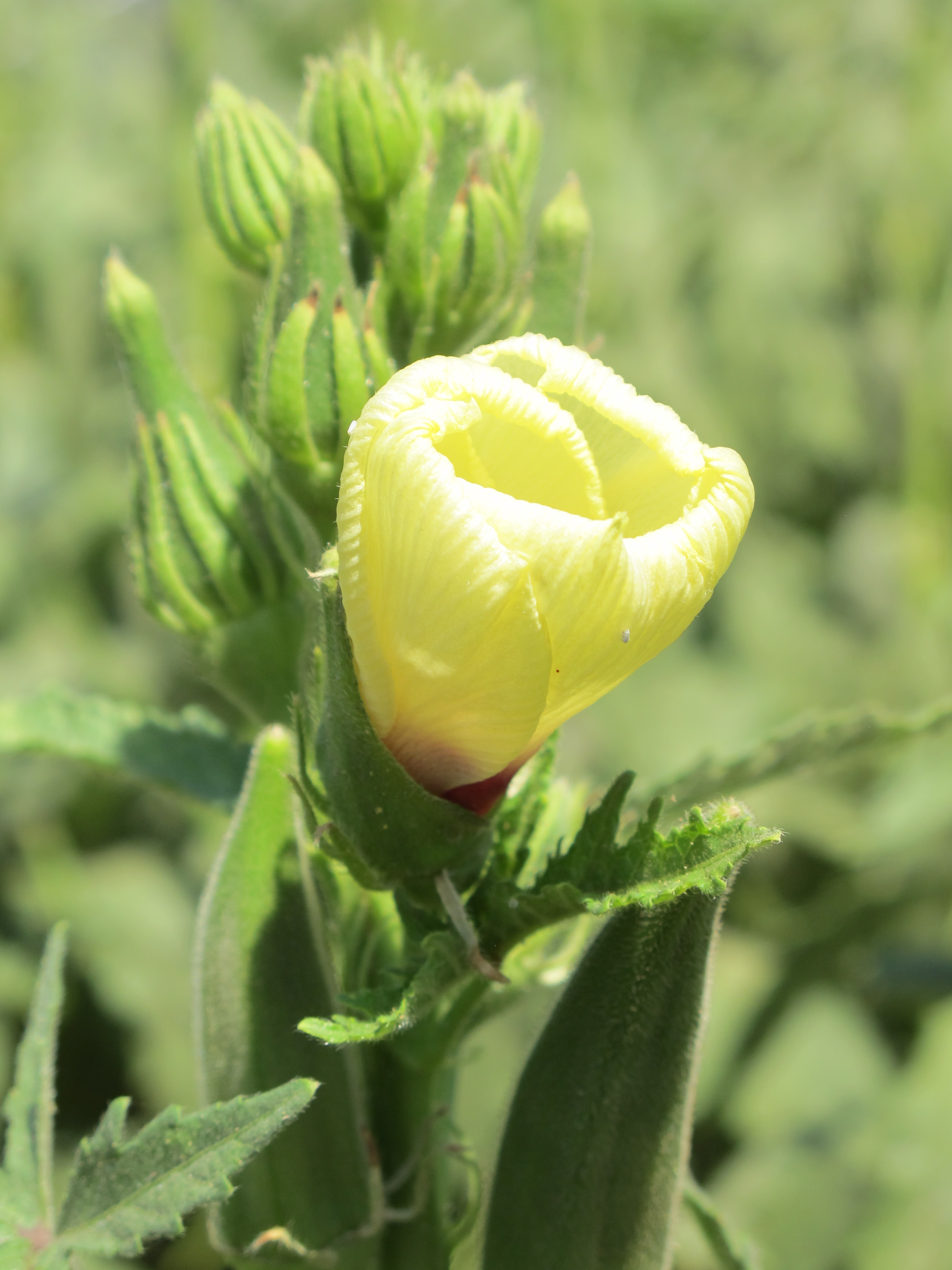
Isn’t it lovely?
At the end of the day…
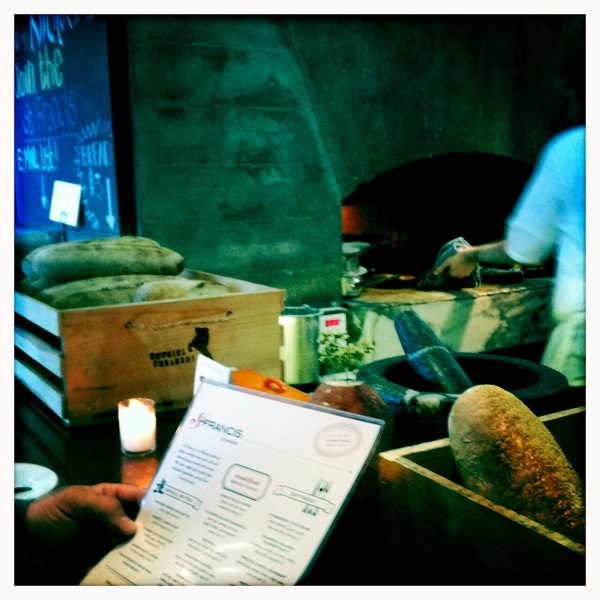
Sean and I spent a recent weekend working around the clock on a big project at our house. It was the kind of project that as your house starts to look better, you start to look worse. By the end of it we were tired, sore, and worn out, but happy with the outcome.
And hungry. Really, really hungry.
There was no way I was cooking dinner that night, I wanted to clean up, head out and enjoy a meal that required nothing more from me than my appreciation. I didn’t want to lift anything heavier than a fork. Actually, by that point, I probably couldn’t have lifted anything heavier than a fork. I just wanted a good meal, something comforting and nourishing, and a lot of it. Did I mention I was really, really hungry?
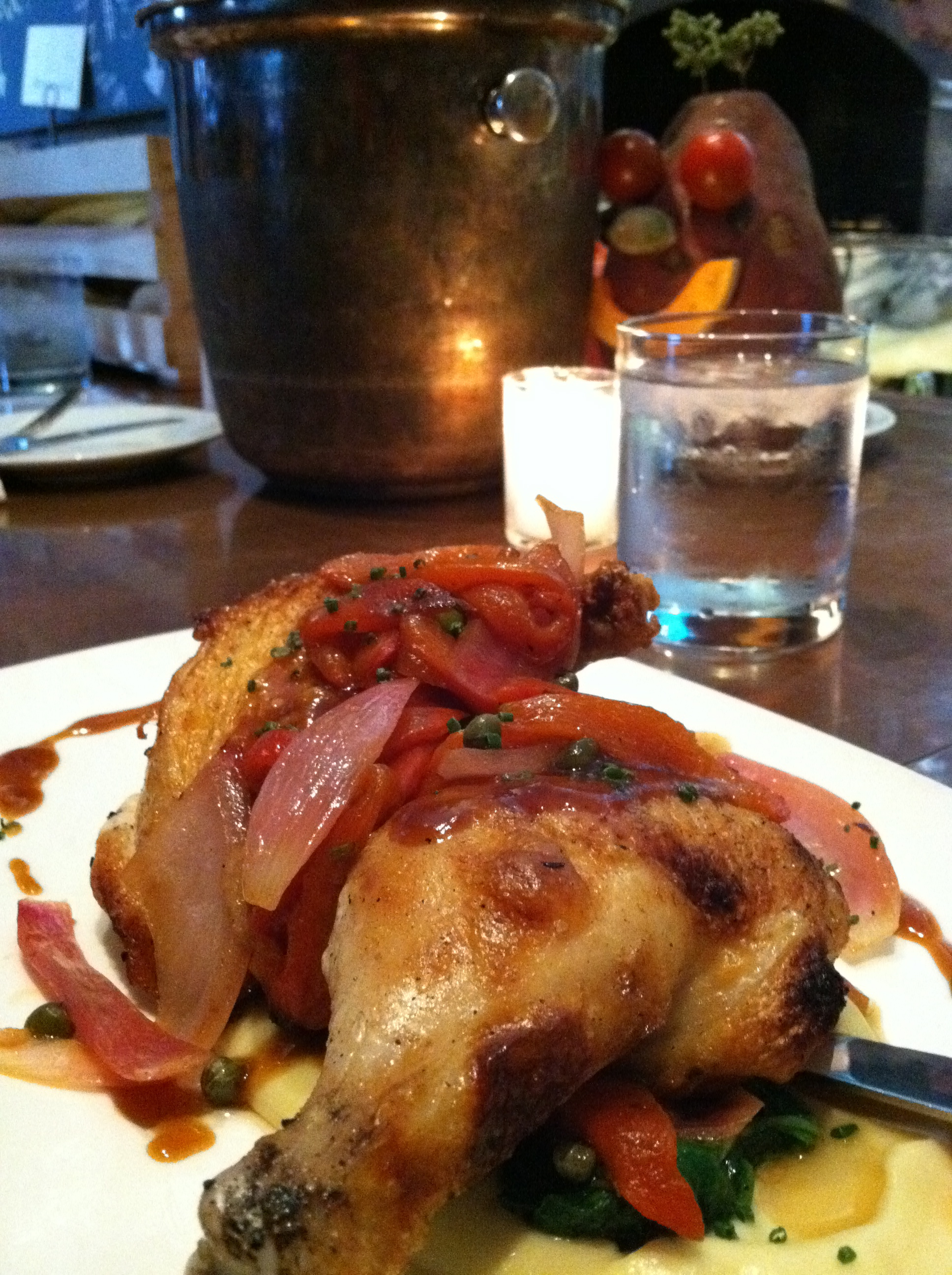
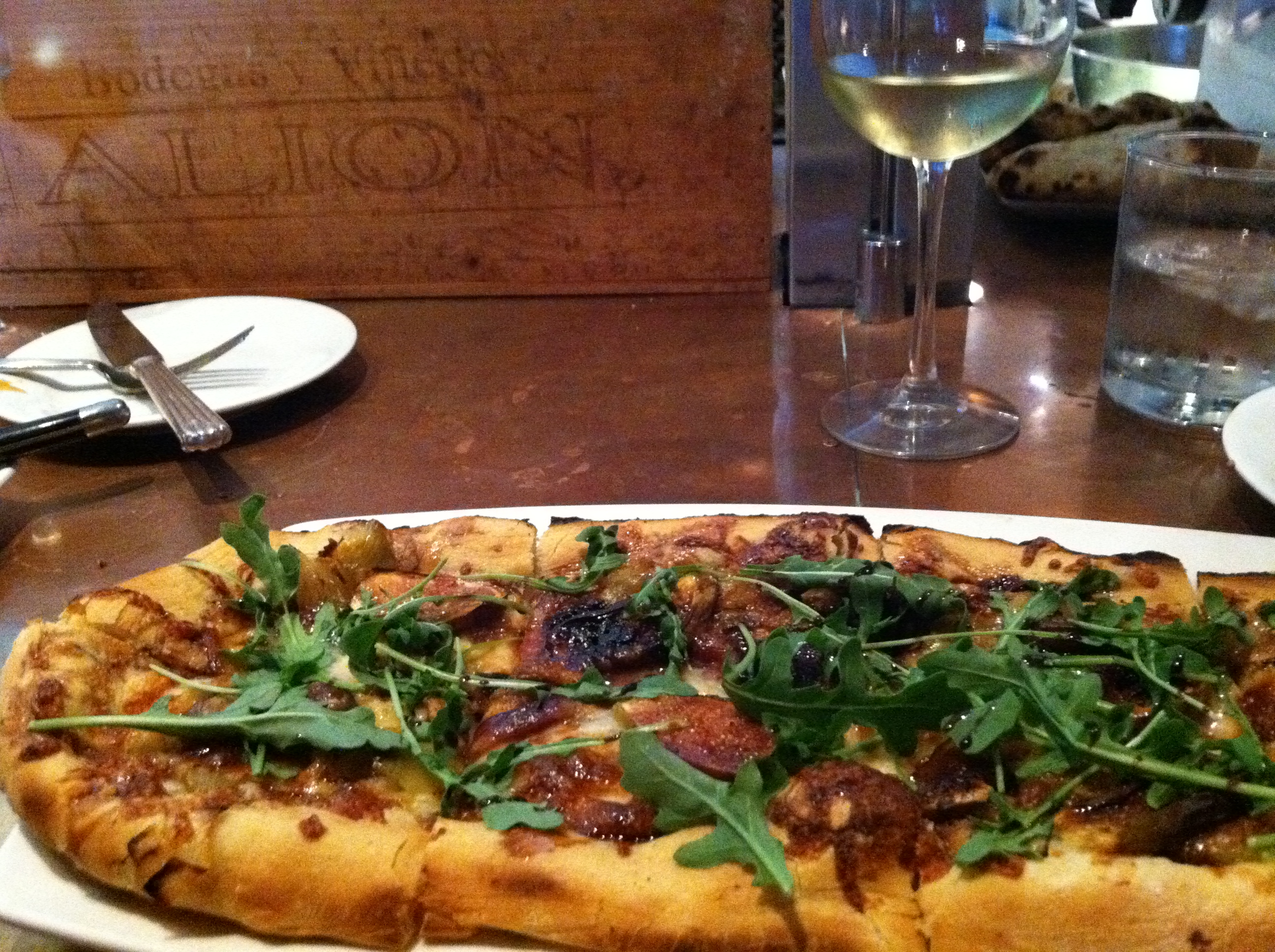
St. Francis seemed like the right place to reward ourselves for a job well done and it was with happy luck that my favorite seats at the kitchen bar were available. It was just what we needed, to sit and relax and watch Aaron Chamberlin and his crew turn out one amazing dish after another. It was a fine dance with each station preparing and plating, a constant movement from the moment orders were being announced as they came in to when the dishes were being inspected as they went out. I have no idea how they do it, but I do love to watch it all going on. Restaurant kitchens always seem like chaos to me, but it is a choreographed science when you put out food like this. We ordered a number of our old favorites from the menu that we have loved, including the roasted chicken and the blue cheese, fig and arugula flatbread, but it was the sides we tried for the first time that blew me away.
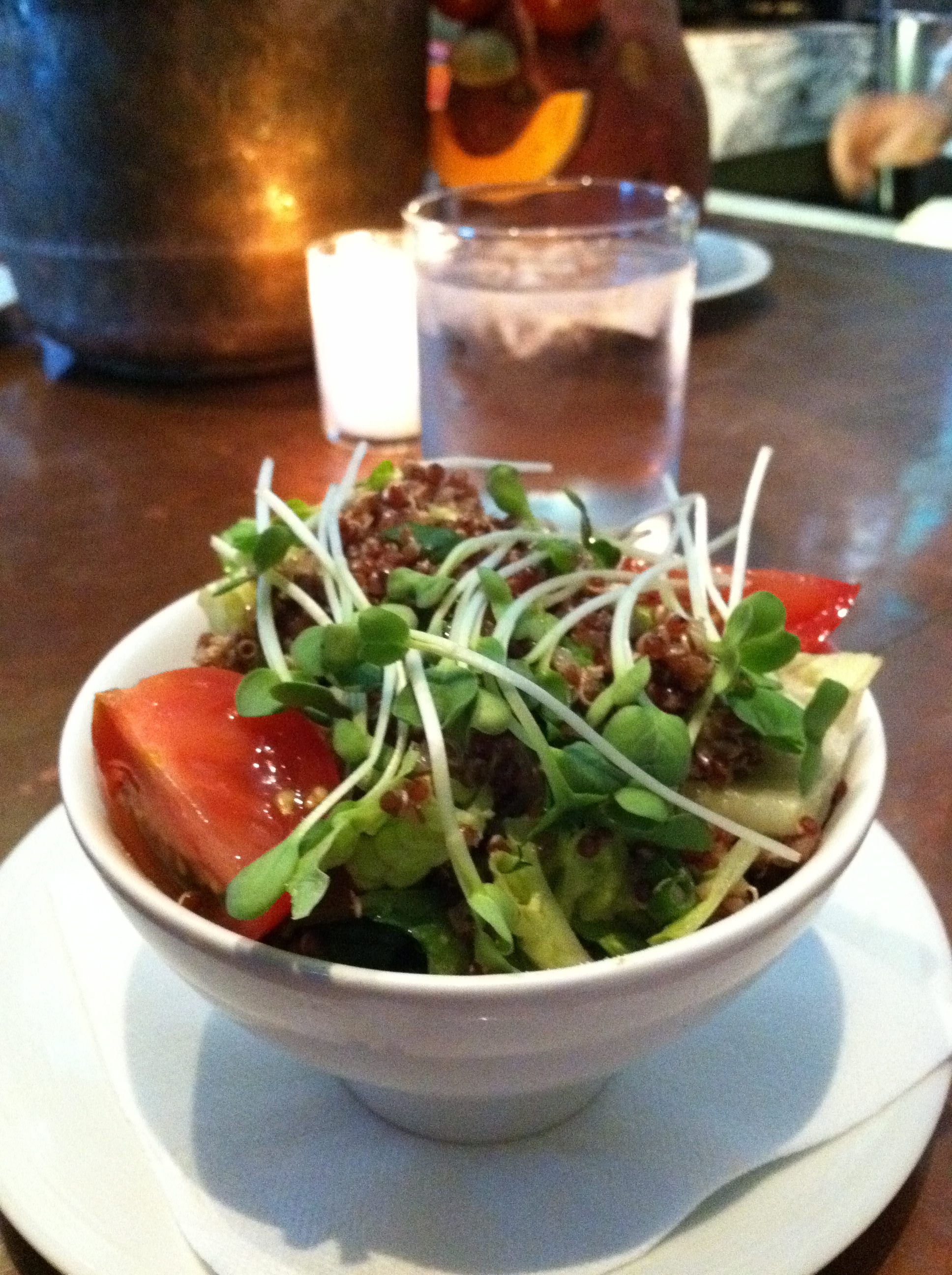
The red quinoa and romaine salad was as good as it looks. Light, refreshing, it was the perfect starter. I would have ordered a second bowl if we hadn’t had so many other things on their way out. My list of favorites at St. Francis is now growing.
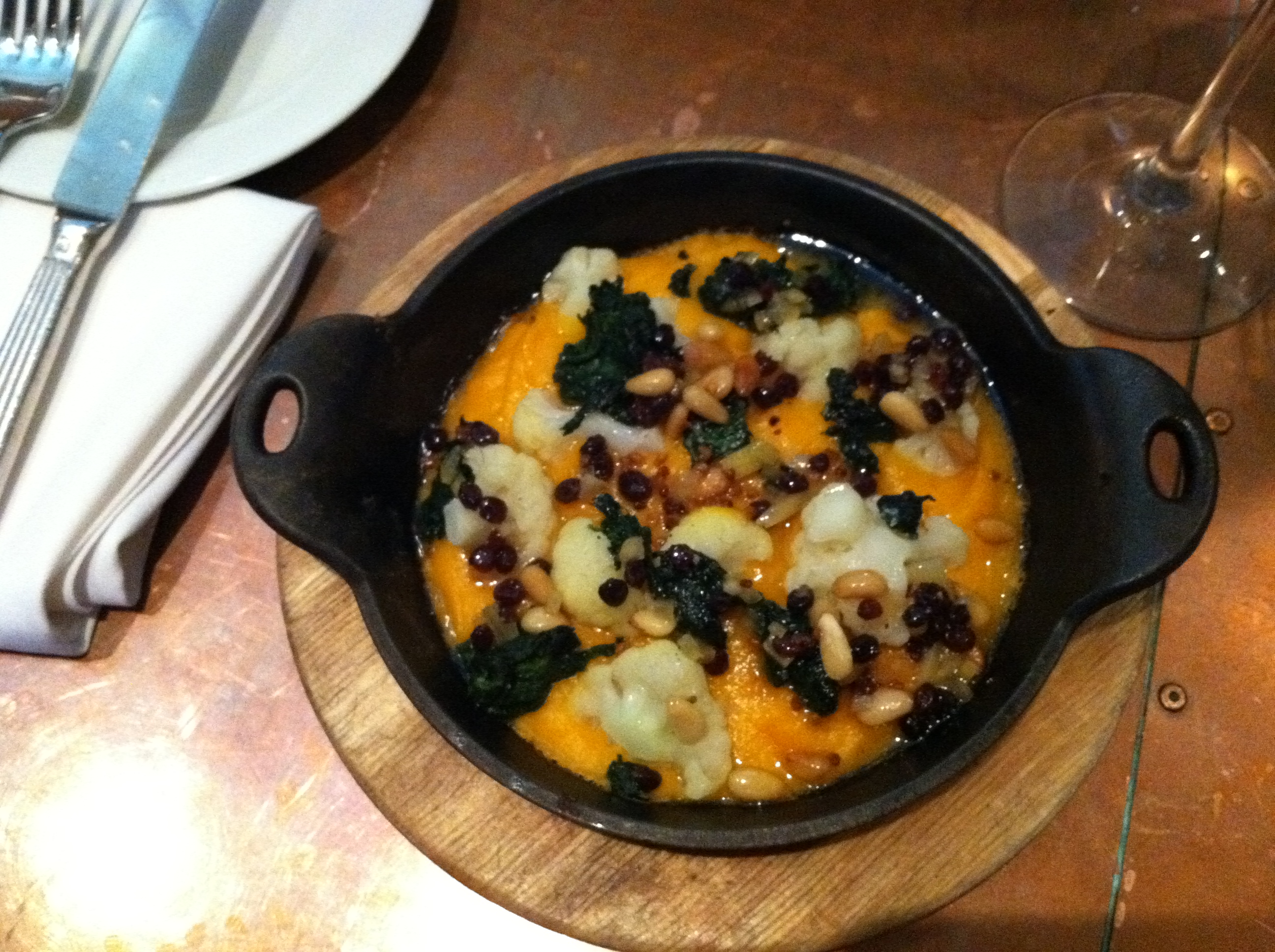
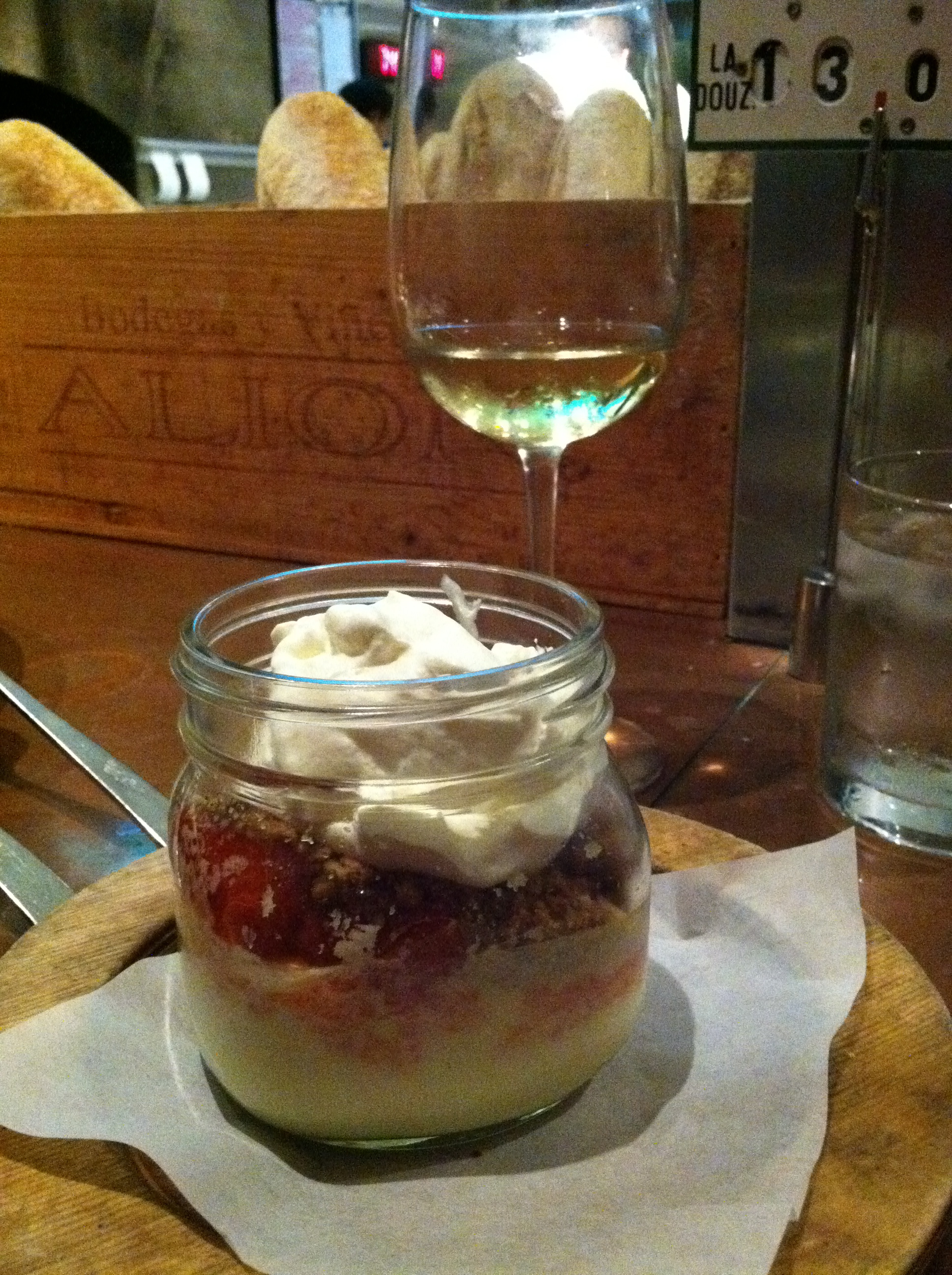
The wood roasted seasonal vegetables are now on that list too. It was a beautiful blend of flavors from a creamy butternut puree with roasted cauliflower, with a tangy kick from dried currants, and some pine nuts and spinach to round it out. I have a feeling I will be attempting something similar at home soon. We also had two fabulous desserts, and why not, we had worked hard. Their Sticky Toffee Pudding is another one from our favorites list, and now the Cheesecake in a Jar is as well. Nevermind that it came with strawberries and an almond crumble, they had me once I saw it come in a mason jar. Why is that immediately appealing to me?

The best part of the whole evening was the feeling of being welcomed in a place we enjoy so much. That alone makes everything taste better. You know what else I love about St. Francis, since this is becoming my love letter to them, I love that they have kids eat free. Aidan didn’t join us that night, and while I do not mind paying for his meals, as a parent I like the gesture that lets me know that he is welcome there as well. Knowing that they understand that sometimes you want to go out for a decent meal with your kiddo, makes it that much more appealing. St. Francis is definitely a grown-up venue, but it is nice that they are open for everyone.
And that they have a sense of humor…
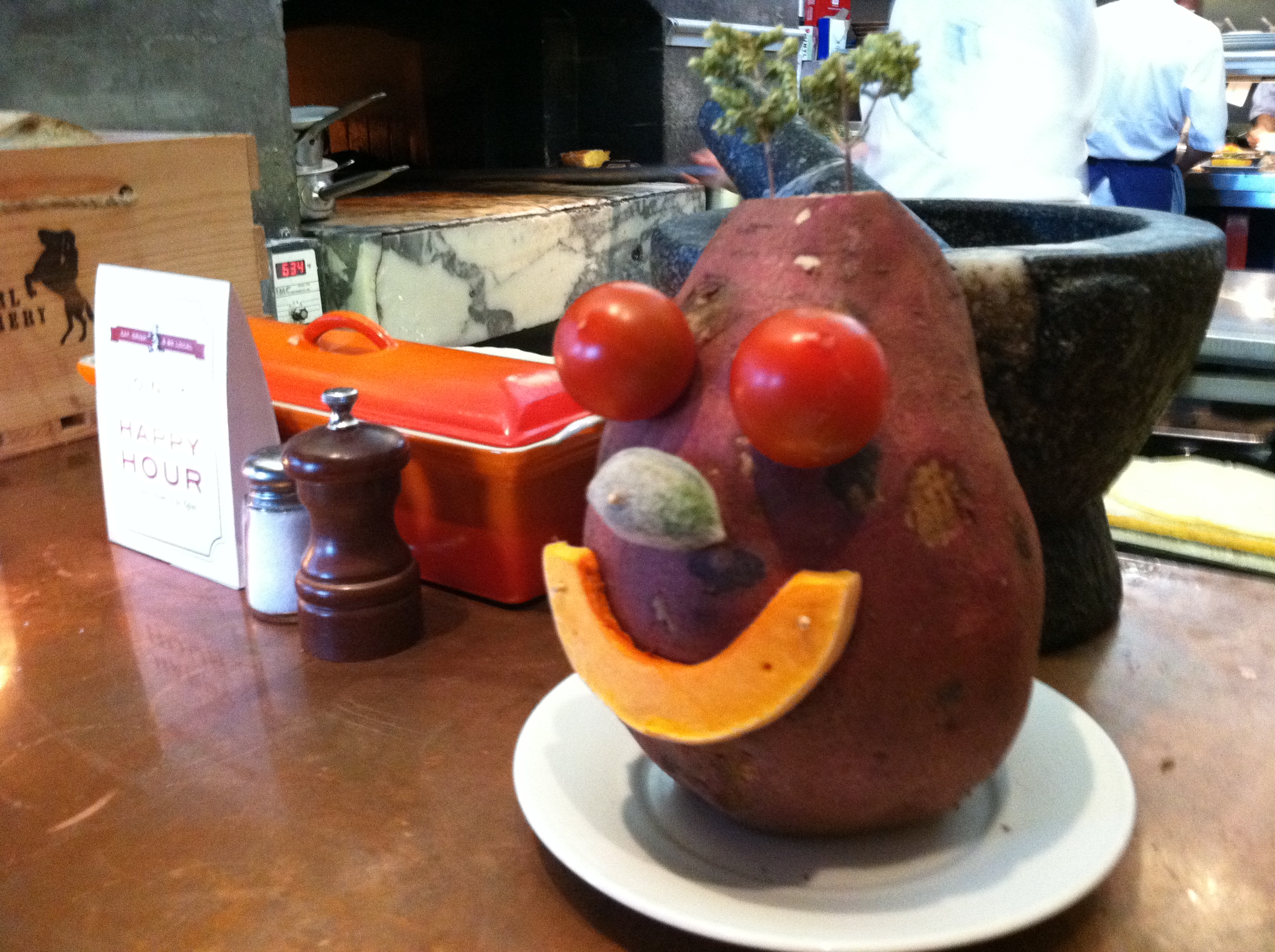
If you were here, you would eat this…

Once a year Sean, Aidan and I make a trek up to a lake that has this kind of view. We hang out with my family, extended family, and people who have become like family swimming, cooking, reading in hammocks, and in general doing a lot of laughing. Every year there is always some recipe that gets made, remade, discussed, and obsessed over, with leftovers disappearing from the refrigerator before you can get back to them. This year, it was all about Cucumber Salad. You don’t need to sit out on a dock like this to enjoy it, but it doesn’t hurt.
Cucumber Salad
4 English Cucumbers, sliced paper thin
1/2 Sweet Onion
1cup Water
1cup Sugar
3/4 cups White Vinegar
Fresh Dill (to taste)
White Pepper (to taste)
Slice cucumbers paper thin, place in salted water with ice and refrigerate for two hours. Use a metal bowl to store the cucumbers while they chill. Slice a sweet onion, then cover and refrigerate. Bring water, sugar and white vinegar to a boil, then set aside for an hour.
Drain, rinse and squeeze water from the cucumbers. Return to bowl. Add sugar sauce, onions, and generous amount of fresh dill. Grind in white pepper to taste.
Stir and return to refrigerator or serve immediately.
Big thank yous to Dick, Daphne and Lisa for sharing!
Ch-ch-ch-changes…
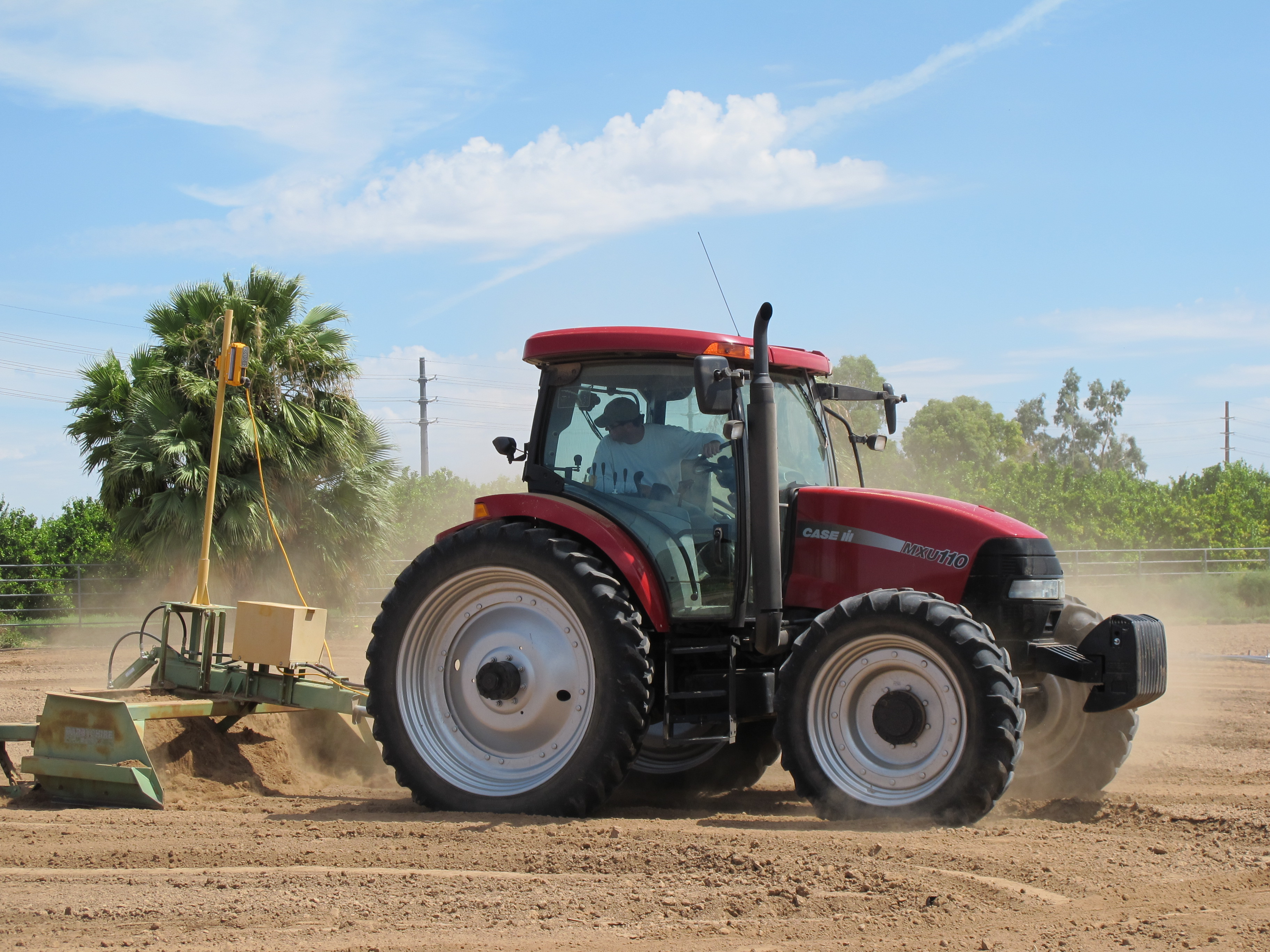
We are starting to see signs of fall coming up around here. Over the past few weeks Sean has been on the tractor non-stop, laser-leveling, making rows, adding nutrients to the soil. He has redesigned our fields to increase our growing area and all of our drip irrigation systems have also been rebuilt, to make them more efficient. It has been a lot of hot, dirty work out in the summer sun, but we are now seeing all of that hard work start to come to fruition.
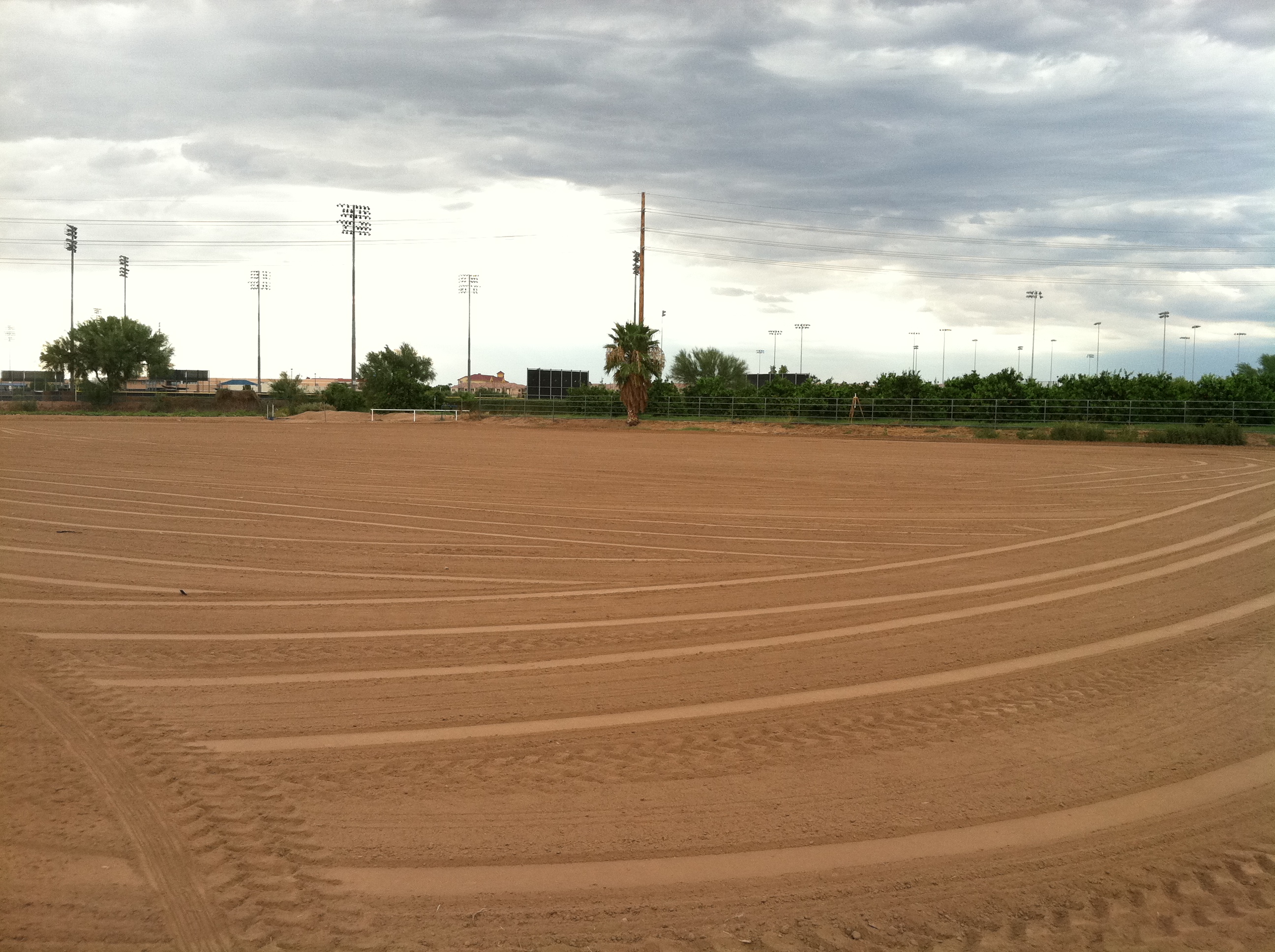
The back field is now as flat as a pancake, which is the ideal surface to plant on. Look at that dirt! No really, look at it. (This is what I hear when I am called out to admire it.) It is a thing of beauty, isn’t it?
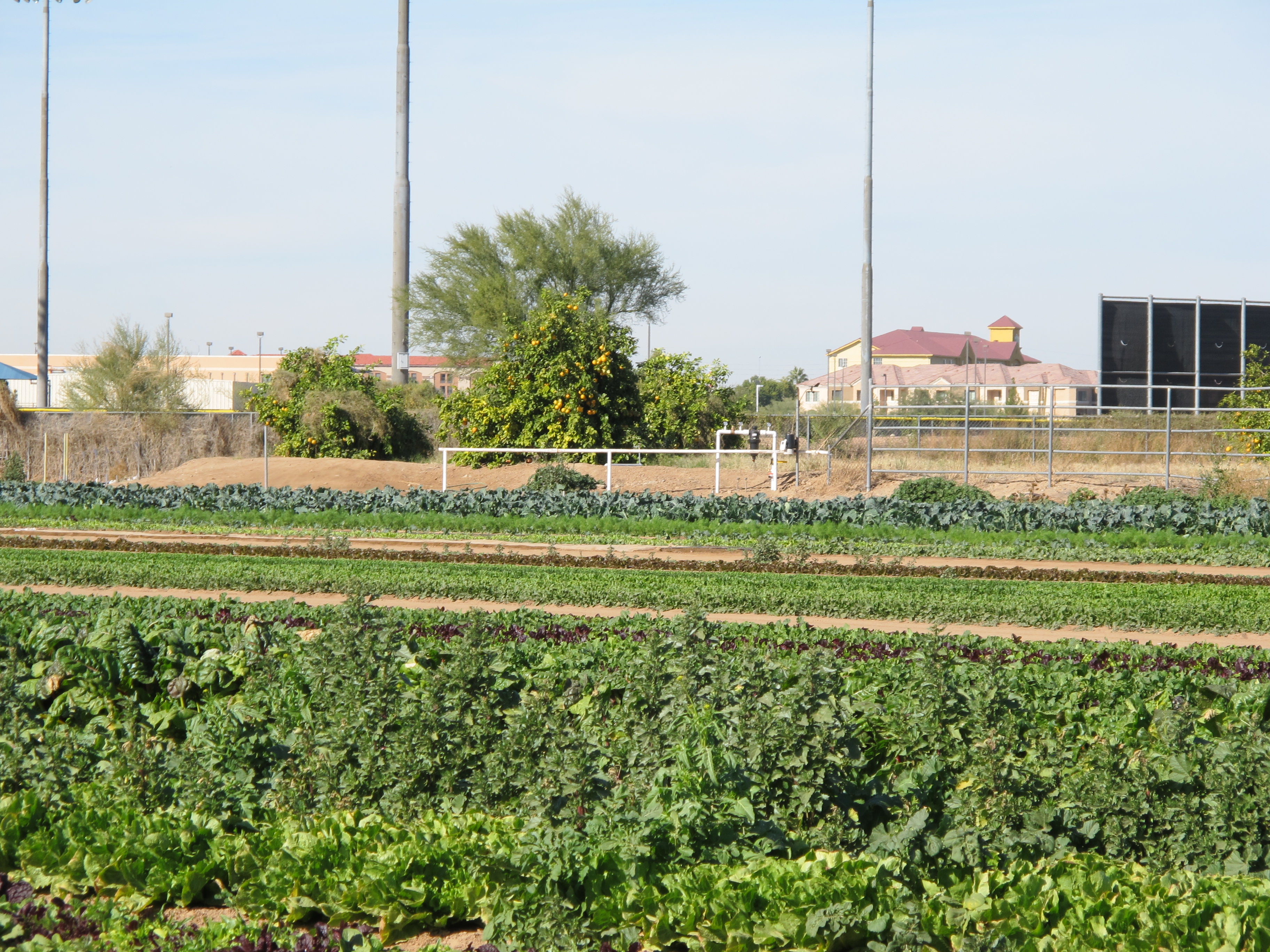
Having it this flat means that it will soon look like this again…
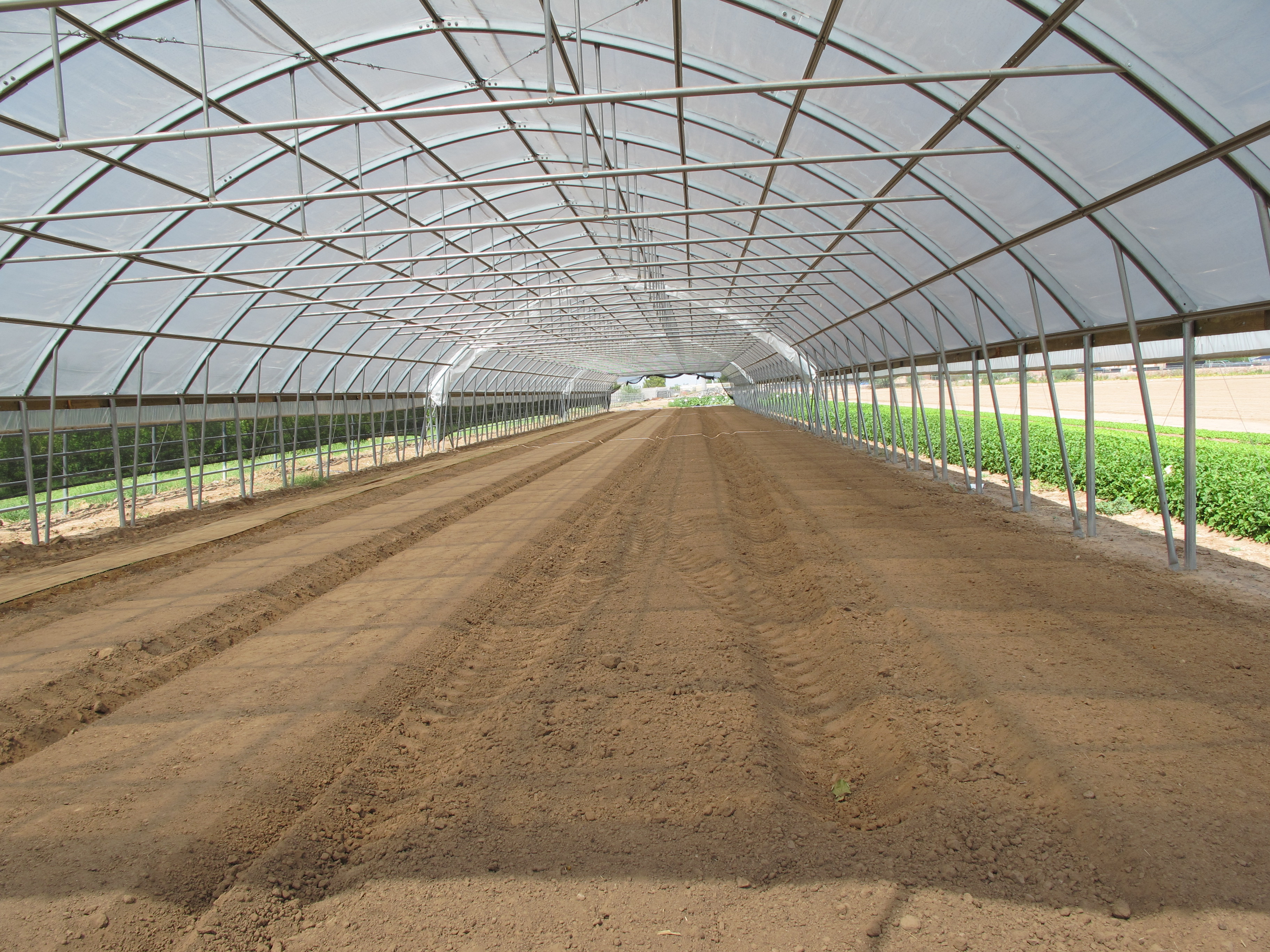
We are also seeing the changes in the high tunnel. It has gone from this, with the soil nutrients covering it…
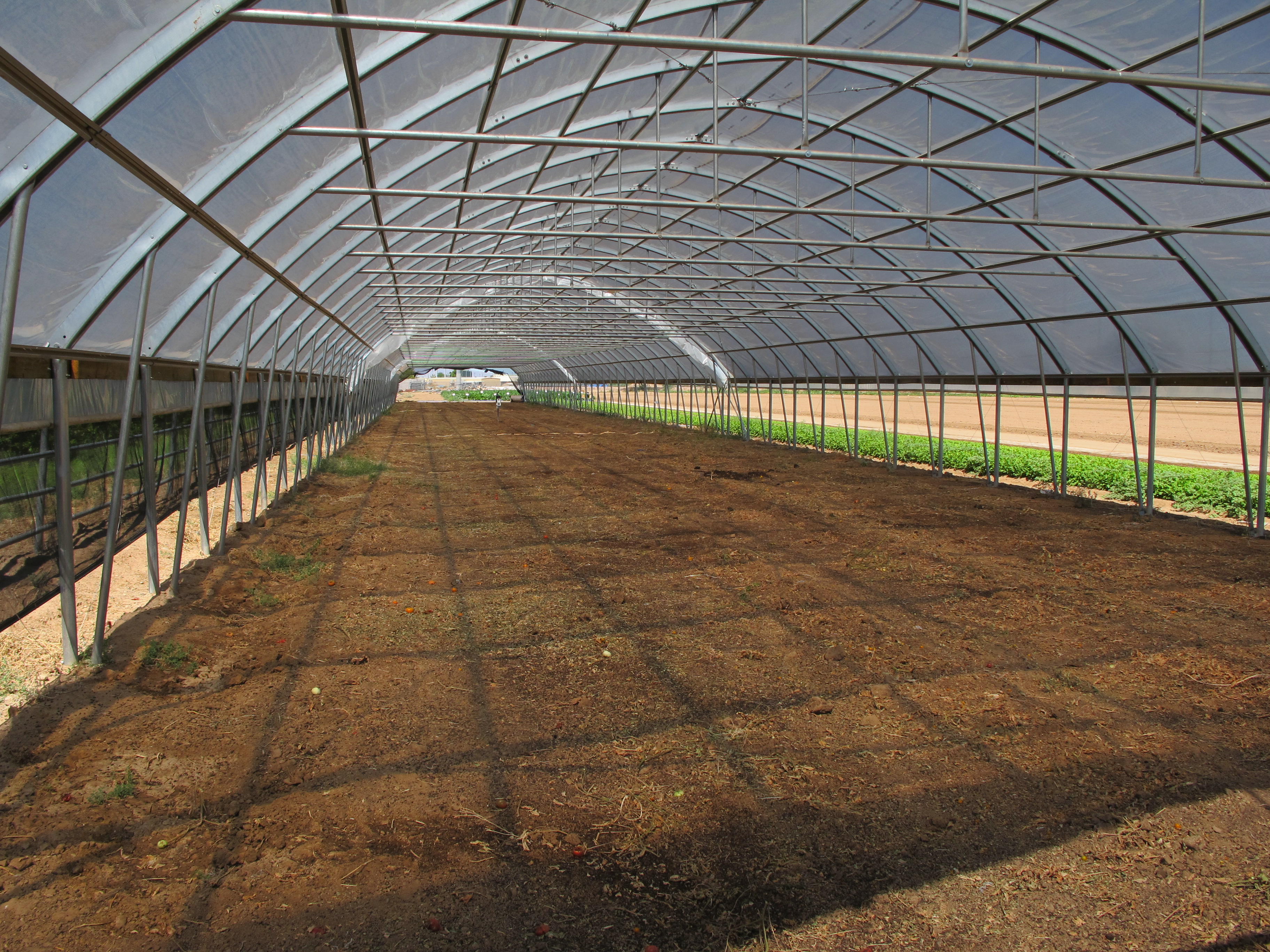
To this, with the ground tilled and rows being made…
To this, the first signs of life again…
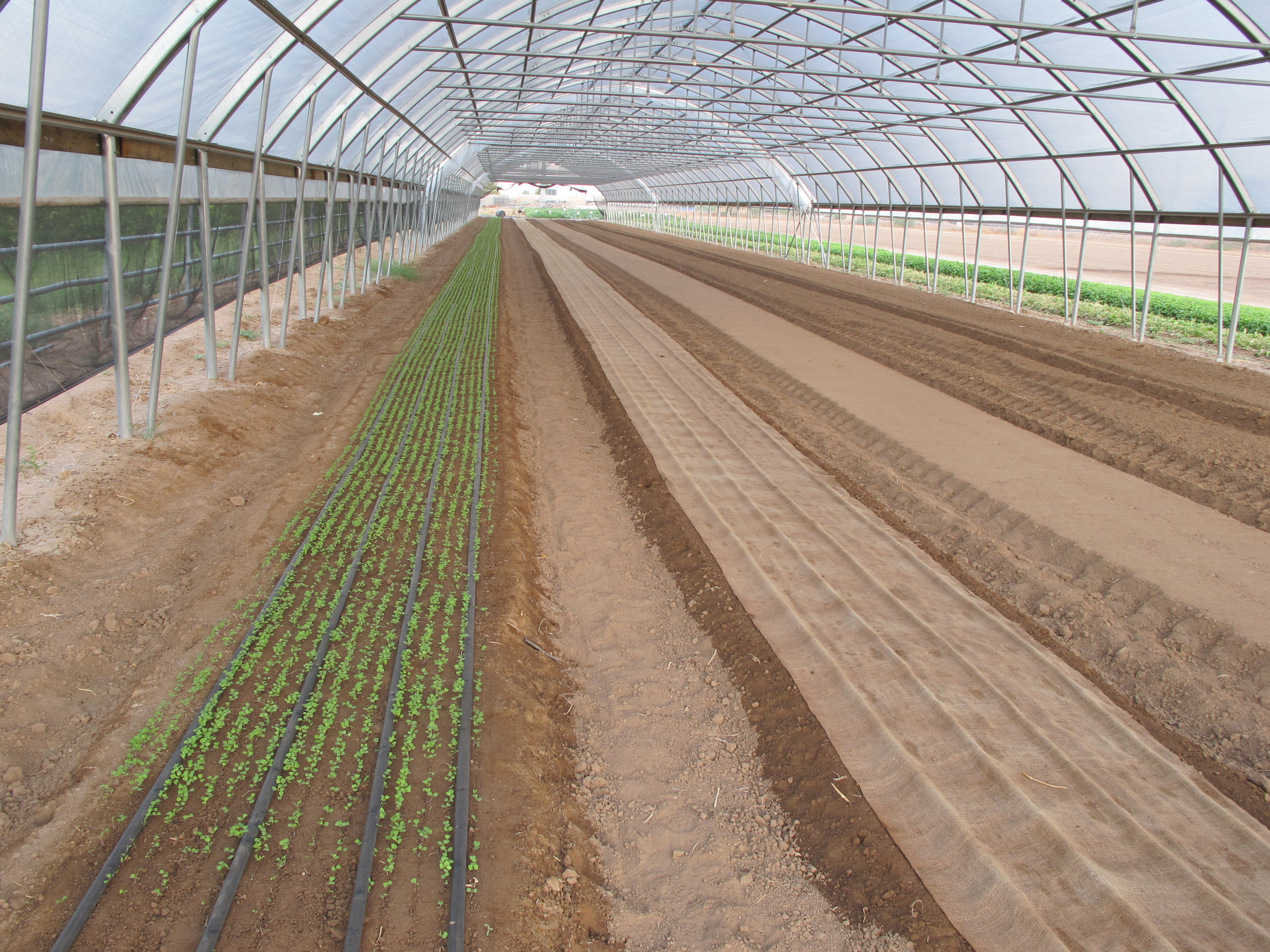
And soon we will have this…

Sean can’t take all of the credit though, he may have had a little help…
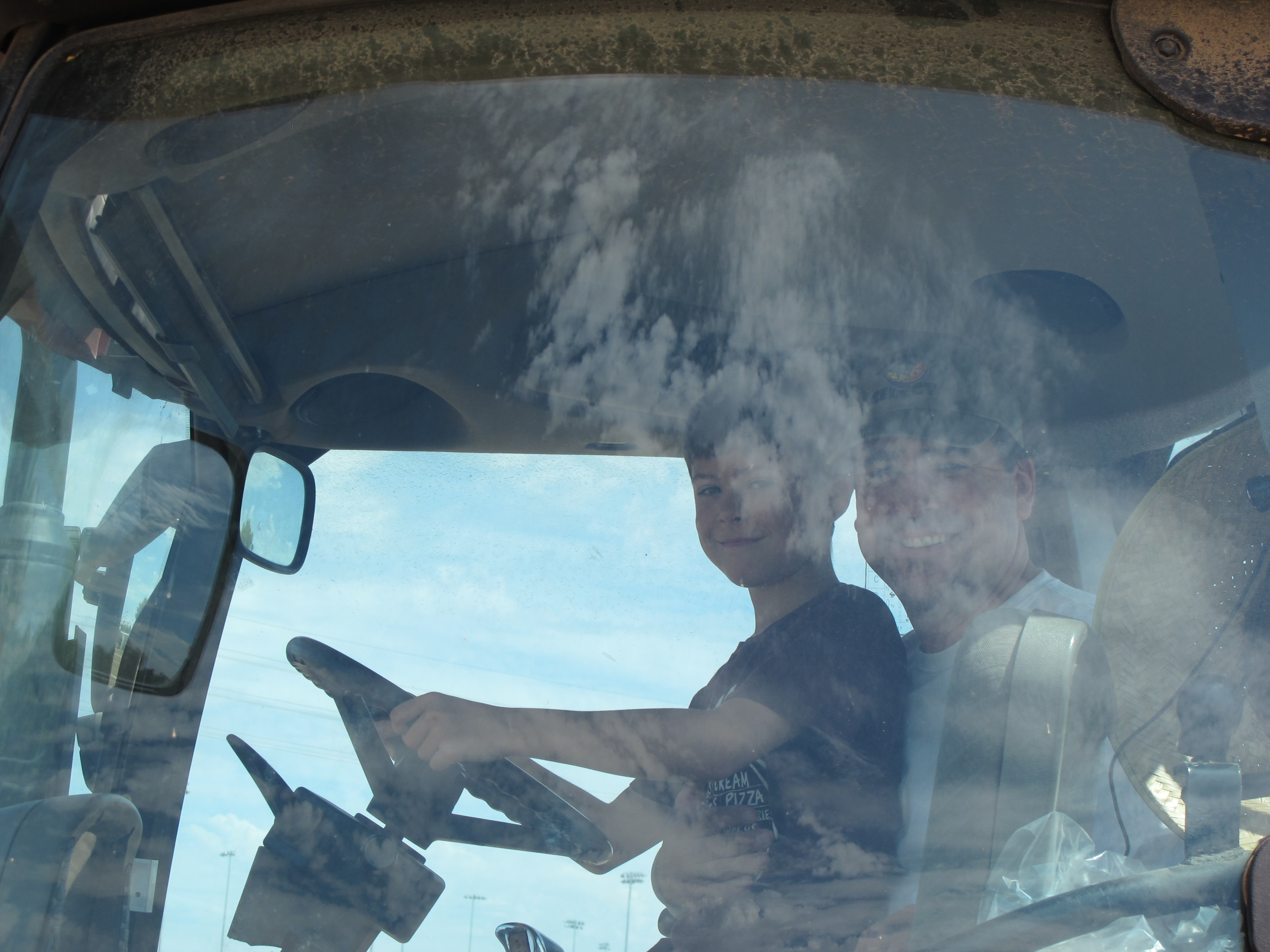
I see you in there Aidan!


 McClendon's Select