Payton dishes on Thanksgiving…

Chef Payton Curry was nice enough to share some recipes for side dishes for Thanksgiving. They all look so good that you don’t have to save them just for Thanksgiving.
(He writes recipes just like he describes them at the market. Cracks me up!)
Braised Rainbow Chard and Medjool Dates
2 bunches Rainbow chard, leaves and stems separated
2 each Garlic clove, minced
1 bunch I’itoi onions, sliced thinly
6-8 each Medjool dates, sliced
1 cup White cooking wine
1 cup Chicken stock
2 Tbsp Olive Oil
Garnish with toasted AZ Pecans
1) Slice the stems into ¼ inch half moons and tear the leaves by hand into 2 inch pieces, quickly, no need to measure.
2) Lets start cooking, large skillet on medium heat pour in 2 Tbsp of olive oil. Swirl the stems into pan once its hot.
3) Saute the stems to brown a touch then add onions and garlic with a sprinkle of sea salt.
4) Once it smells good enough to close your eyes, add the white wine, tasting first of course.
5) Once wine is reduce by more than half, add the leaves and stock. Once reduced to a beautiful sauce consistency, not a syrup, add slivered dates.
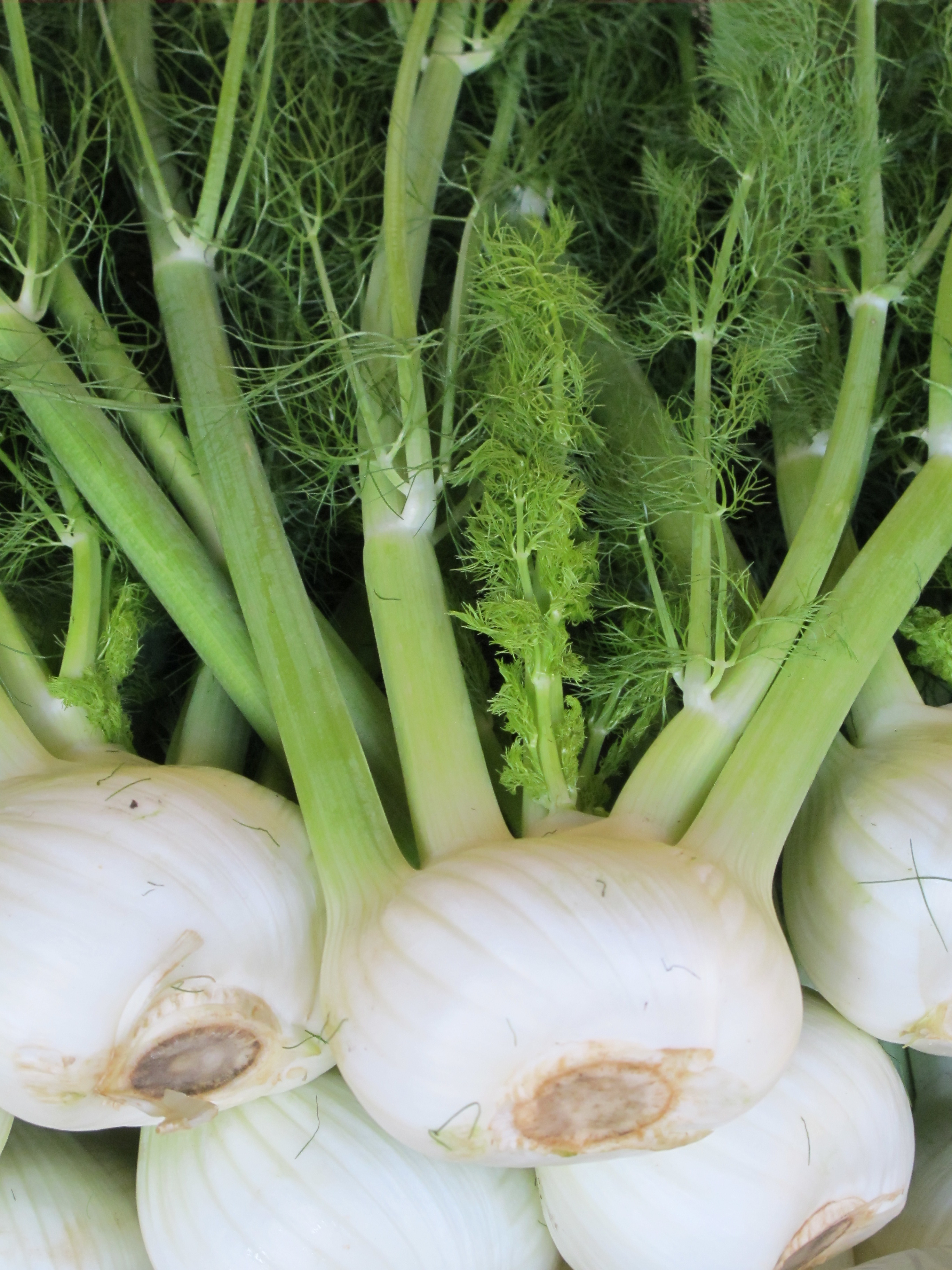
Braised Fennel Stalks & Celery with Arugula, Dill and Meyer Lemon
2 each Fennel, fronds, stalks and bulb separated
6 each Middle stalks of celery, outer stalks reserve for stock.
3 each Shallots minced
2 each Garlic cloves, minced
½ cup Wine
1 cup Chicken stock
½ lb Arugula
3 each Meyer lemon, zested, juiced,
2-3 lb Fingerling potatoes, roasted
1 tsp Sea salt
3 Tbsp Olive Oil
Dill to taste
Garnish with dill and fennel fronds
1) Cut fennel stalks into ½ inch chunks. Sprinkle 1 tsp of sea salt and 1Tbsp lemon juice over fennel and mix vigorously. Cover.
2) Once fennel has sat covered in a bowl for 30 minutes fire up a medium sized sauté pan with 3 Tbsp olive oil. While the oil is heating up, cut celery into ¼ inch half moons. Be careful not to get to close to the bottom – it is bitter.
3) Add celery to hot pan and strain fennel over remaining juice. Add fennel to the pan after sautéing celery for 3 minutes and continue to dance for 3-5 more minutes. You want a bit of color, then add shallots and garlic.
4) Once you are salivating, add wine and reduce by half.
5) Add cooked potatoes, a pinch of S&P and stock and toss in the oven to stay warm if needed. Once you are ready to plate it, return to high heat and add lemon juice and arugula. Taste and adjust seasoning.
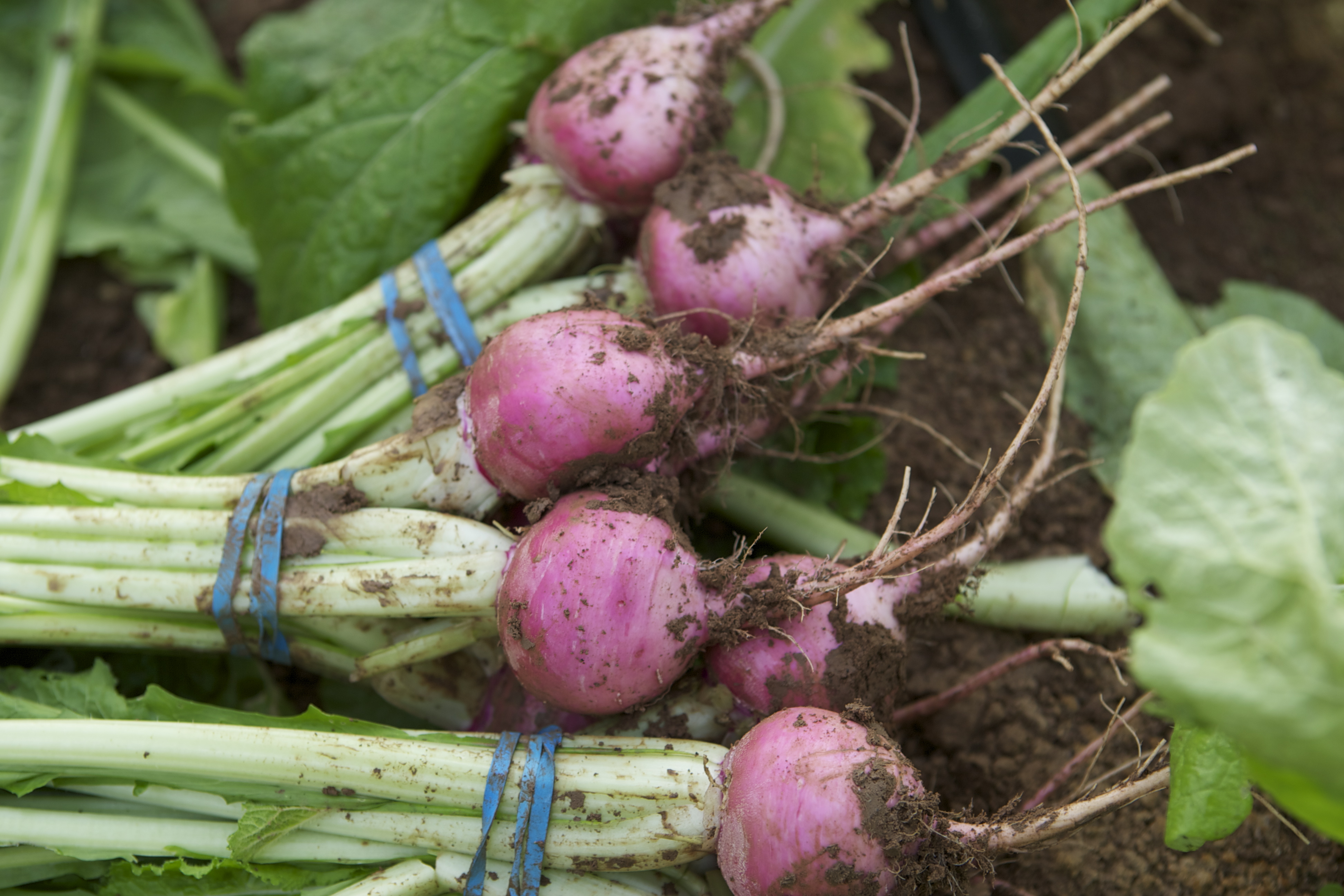
Roasted Turnips with Bee Pollen and Huckleberries
4 bunches Turnips – washed and cut in half, and the greens chopped finely
2 bunches Menegi onions, whites coined thinly, green parts rough chop
2 each Garlic cloves minced
1 cup Huckleberries
1 Tbsp Honey
1 cup Apple cider
Olive oil as needed
1) In a large sauté pan over medium heat add 2 Tbsp olive oil. Once pan is heated, add turnips face down with just enough to cover the bottom. No overcrowding. Do it in batches if needed.
2) Once turnips are browned on all sides add the garlic, onions and leaves, toss for a minute or two. When it flirts with your nose add apple cider and swirl in honey.
3) Cook until turnips are cooked through, but not mushy. Toss huckleberries in and garnish with pollen.
Holiday Market Schedule
McClendon’s Select is looking forward to the coming Thanksgiving holiday next week. We want to provide you and your family with our finest fruits and vegetables for all of your upcoming holiday festivities.
We are also looking forward to giving our employees some time off to spend with their own families during the season. We want to give our customer’s a heads up that we will not be attending the Old Town Scottsdale Farmers’ Market on Saturday, November 26th after Thanksgiving, nor will we be attending the market on Christmas Eve, Saturday, December 24th. Those are the only two markets we will be missing during the season. The Old Town Scottsdale Market will be open on both of those Saturdays and we encourage you to visit and continue to support the market and vendors. We will resume our normal market schedule after Christmas.
We do want to assure you that we will be at the Town & Country Farmers’ Market on Wednesday, November 23rd with a large selection for your Thanksgiving cooking. In fact, we will be at every Town and Country market on every Wednesday throughout the holidays.
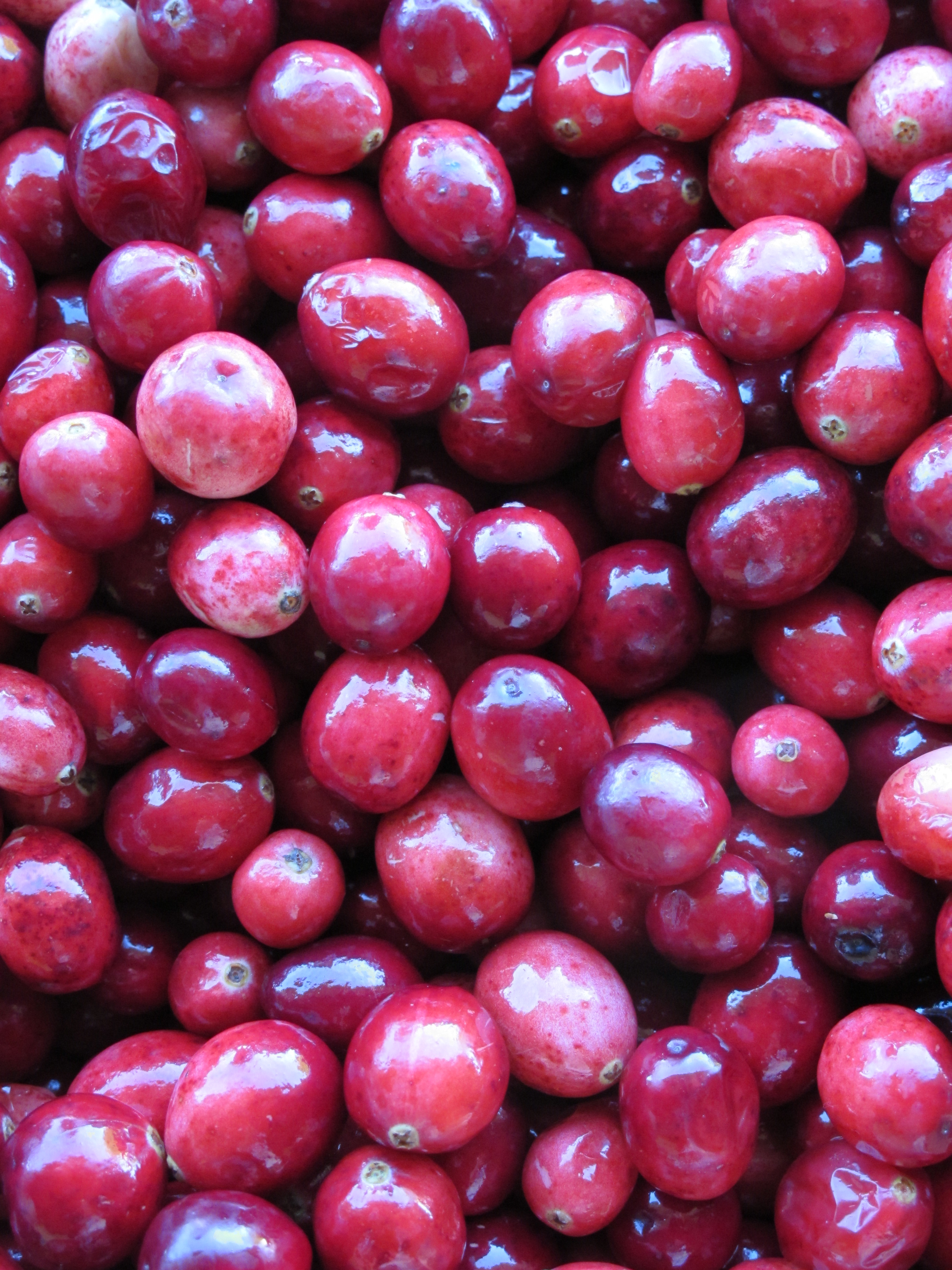
We are also excited that The Pie Girl’s at Love’s Kitchen, Beth and Ronna, will be joining us at the market on the 23rd, the day before Thanksgiving, with their heavenly pies. They will be bringing pumpkin (of course), along with an incredible selection of pies including Bourbon Chocolate Pecan, Granny Smith Apple, Buttermilk Custard, Tollhouse Chocolate Chip and a Cranberry Chutney that Bob is raving about. The Cranberry Chutney is also a nice vegan dish for your holiday table. Their pies are not to be missed, but if you want to make sure not to miss them, I encourage you to get there early on the 23rd. If you would like to place an order in advance, you may call them at 480.650.0088.
We hope that you have a wonderful Thanksgiving holiday and wish you much happy eating!
McCLENDON’S SELECT HOLIDAY MARKET SCHEDULE:
Thanksgiving:
Town and Country – Nov. 23rd – OPEN
Old Town Scottsdale Market – Nov. 26th – CLOSED
Christmas:
Town and Country – Dec. 21st – OPEN
Town and Country – Dec. 28th – OPEN
Old Town Scottsdale Market – Dec. 24th – CLOSED
Old Town Scottsdale Market – Dec. 31st – OPEN
In time for the holidays…

Quince and pomegranates are coming to the Old Town Scottsdale Farmers’ Market this Saturday. These are two of my favorites for the upcoming holiday season, as they both work so nicely on the Thanksgiving table.
Quince are a funny little fruit that are often too astringent to eat raw, but when cooked they have a wonderful flavor that can be used to make jam or added in pies to enhance the flavor. Marsha cooks them up with some lemon, sugar and cinnamon that is a wonderful side dish on Thanksgiving. To prepare quince, first rinse them off and scrub the fuzz off of them. It isn’t necessary to peel them. If they are too hard to cut through raw, put them in a pot of water and allow them to simmer on low heat covered for 25-30 minutes. This will soften them up. Allow them to cool a bit before cutting, and then you can quarter then and remove the seeds, like you would with an apple.
Cooked Quince:
10 quince, softened and cut into bite-sized pieces
2 lemons
1 cup sugar
1 tablespoon of cinnamon
Handful of cloves
After cleaning and softening the quince (as above), cut into bite-size pieces and put them in a pot. Squeeze two lemons over them, and then cut one of the juiced lemons into quarters and add into the pot with the quince. Add the sugar, cinnamon and cloves. Cook over a low heat for another 30 minutes or so. When quince are done cooking they turn a pinkish, cranberry color. You can add raisins, if you like.
Cooked quince are also nice to pair with a roasted pork tenderloin as well. It is also quite tasty to enjoy at my desk when Marsha brings some in for me to sample!

While I am so happy to have quince back in season, I have been also been creeping through the citrus orchards for weeks now to spy on the progress of the pomegranate trees. The pomegranate trees are hidden from view in the south corner of the farm, but when you get back in there, this is what you will find…
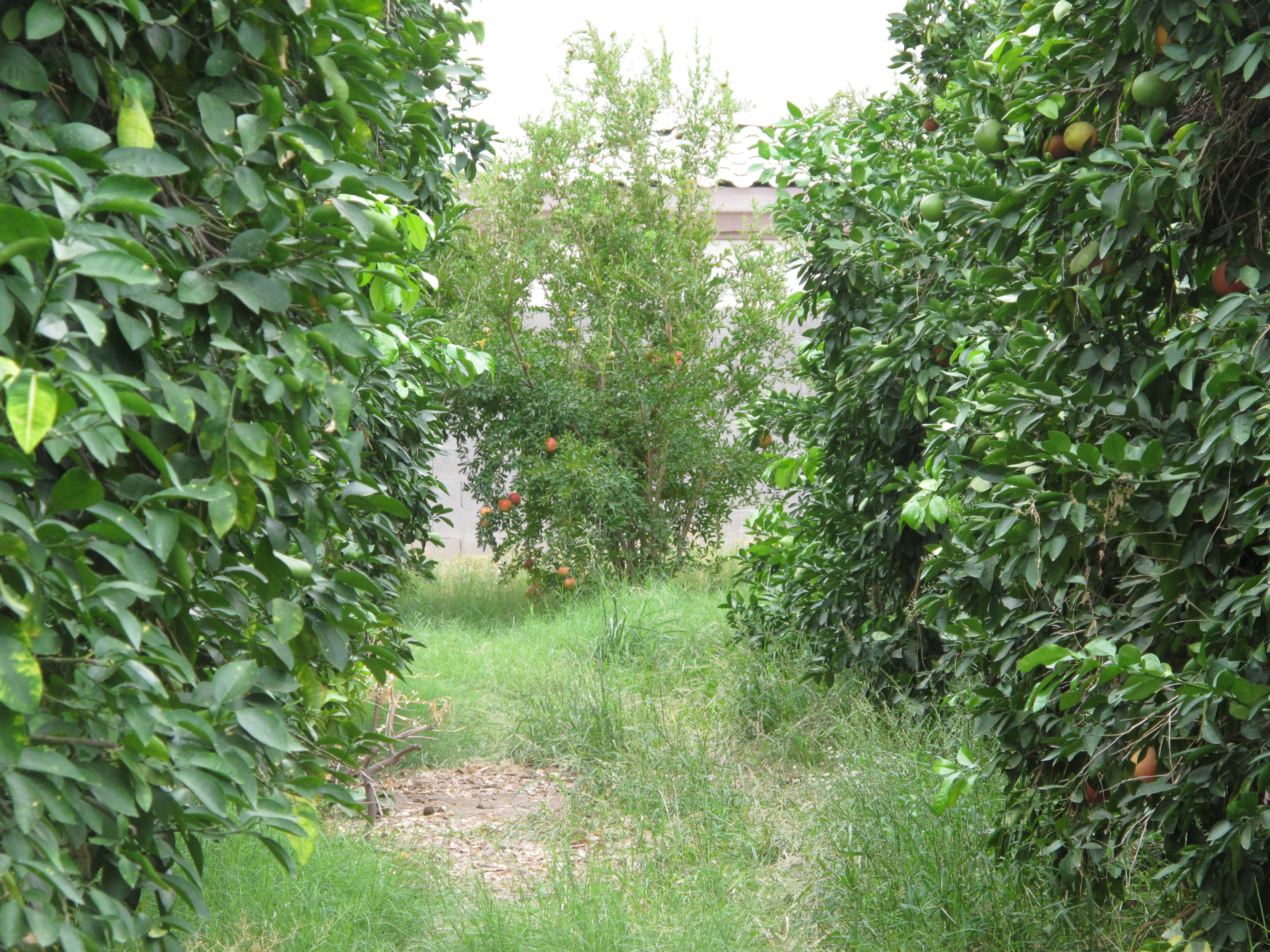

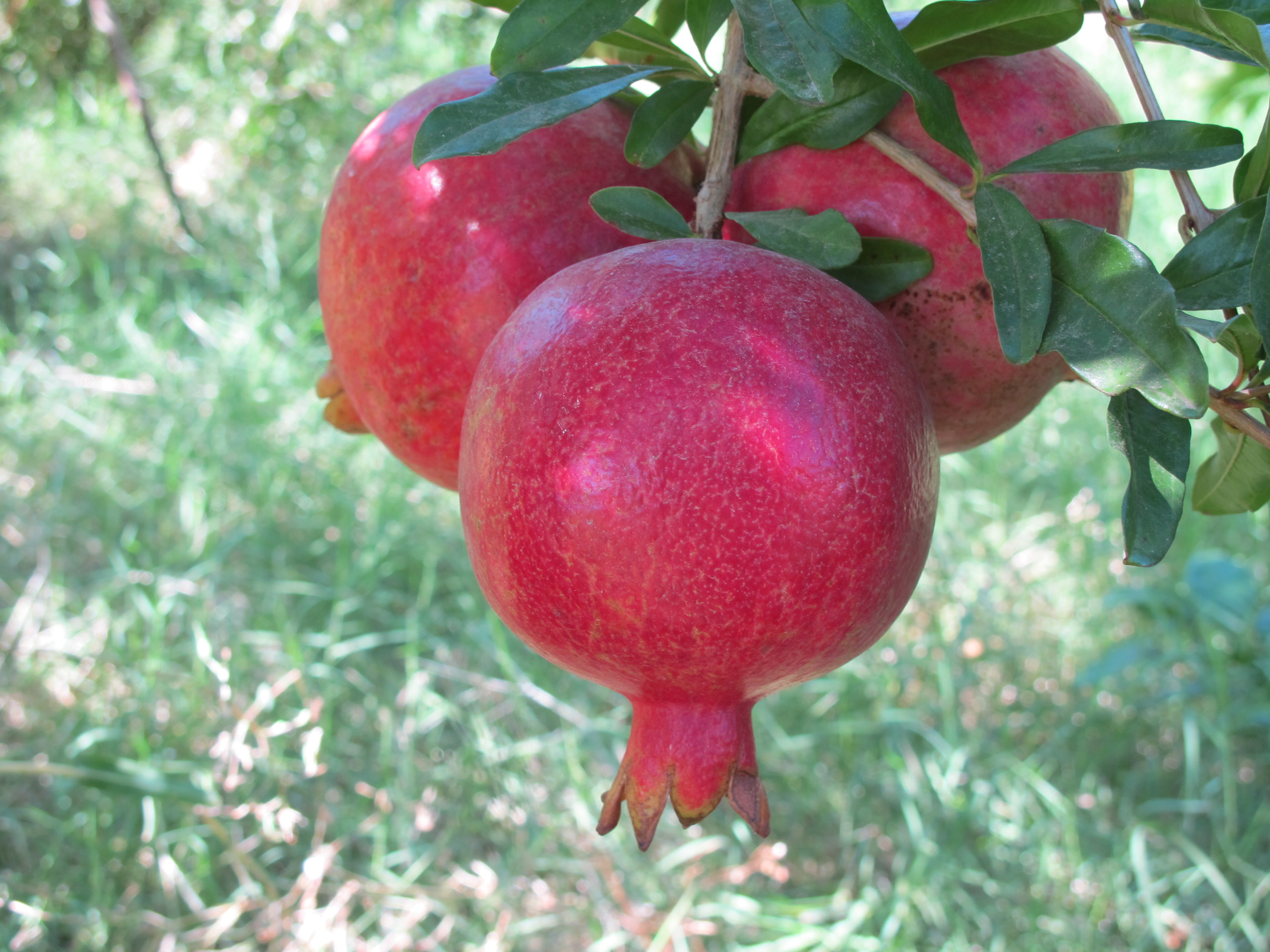
And now they are finally looking like this and on their way to the markets.

I love sprinkling the pomegranate arils (seeds) on just about anything. We add them to salads, mix them in with quinoa, cous cous, or risotto and sometimes use them as a garnish on soups. I also like to juice them and enjoy with a little sparkling water (or with something that has a little more kick to it). The easiest way to remove the arils from a pomegranate is to first cut off the top and bottom of the pomegranate and then score the skin about four times starting from the top and working down along each side to quarter it. The knife should only cut in far enough to reach the pith. Then place the scored pomegranate in a large bowl of cold water and break it apart in the water. The scored sides should come apart easily and then you can start to separate the seeds from the pith. This makes it less messy and allows the seeds to separate easier from the pith, since the seeds will sink to the bottom while the pith will float. Skim the pith off of the top and drain the water. If you can’t use all of the arils at once, they do refrigerate nicely too for a few days.
Both will be fun to serve at Thanksgiving!
The weather report…

The weather is a big deal around here. Even a few degrees one way or the other can change everything. The temperature is the key to when we plant and what, when we pick, whether we need shade, frost cloth, or water. We are fortunate that in our climate the temperature allows for us to have a growing season longer than most parts of the country; however, it can work against us too. To say it is watched closely is an understatement. Bob is a little weather-obsessed.
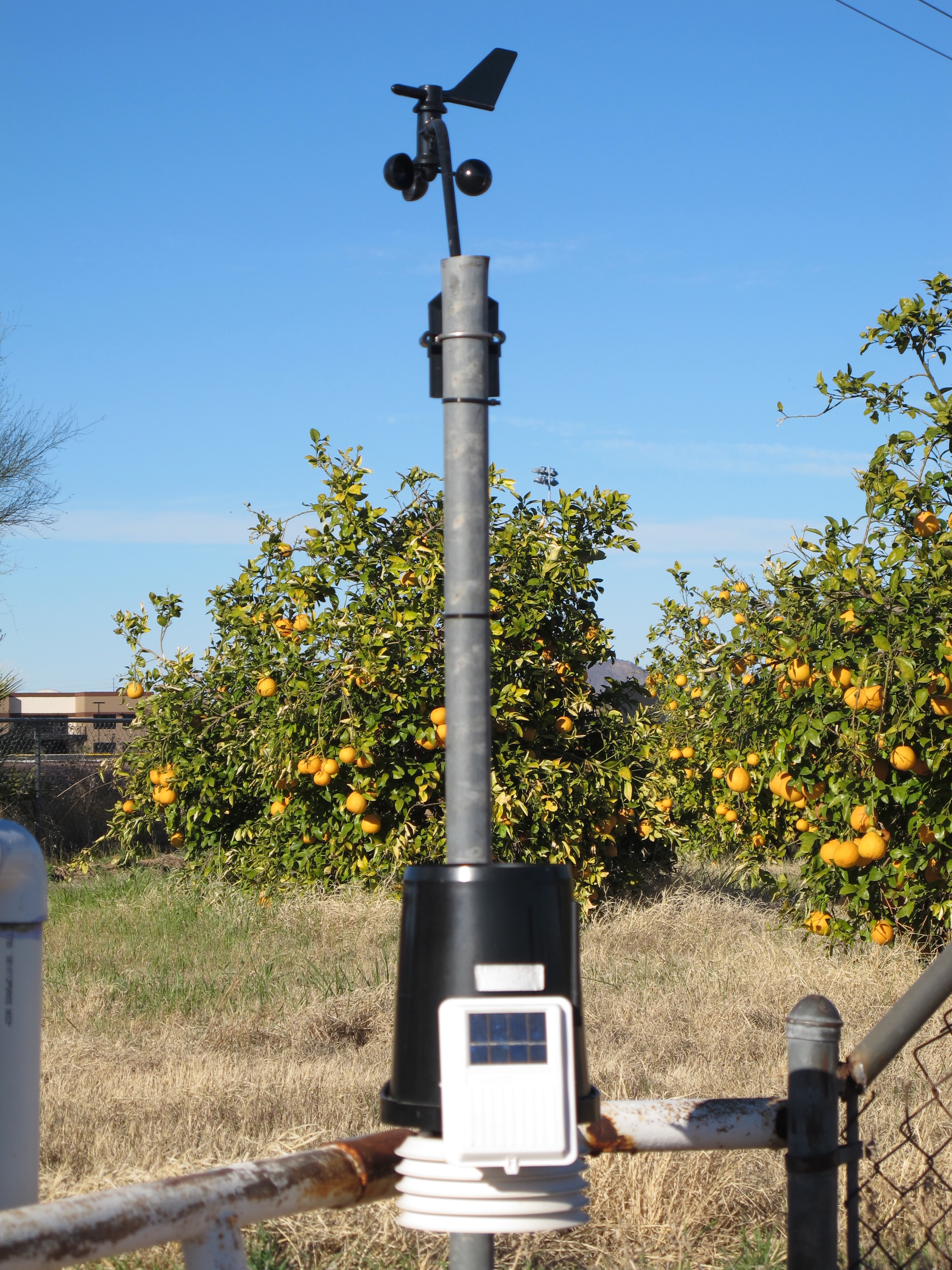
He has to be.

We have four wireless weather stations strategically located around the farm so that we can monitor the temperature at all times. We have one weather station in the high tunnel, one in the north field and one in the south, and another in the front garden. It would seem that one thermometer could tell you all you need to know, but that is not the case here. We have found over the years that some areas of the farm are colder or warmer than other areas. We have also found that with a little creativity, we can create climate controlled areas to help us get through the seasons without some of the damage that can come with extreme temperatures or things like wind, hail, frost or sunburn.

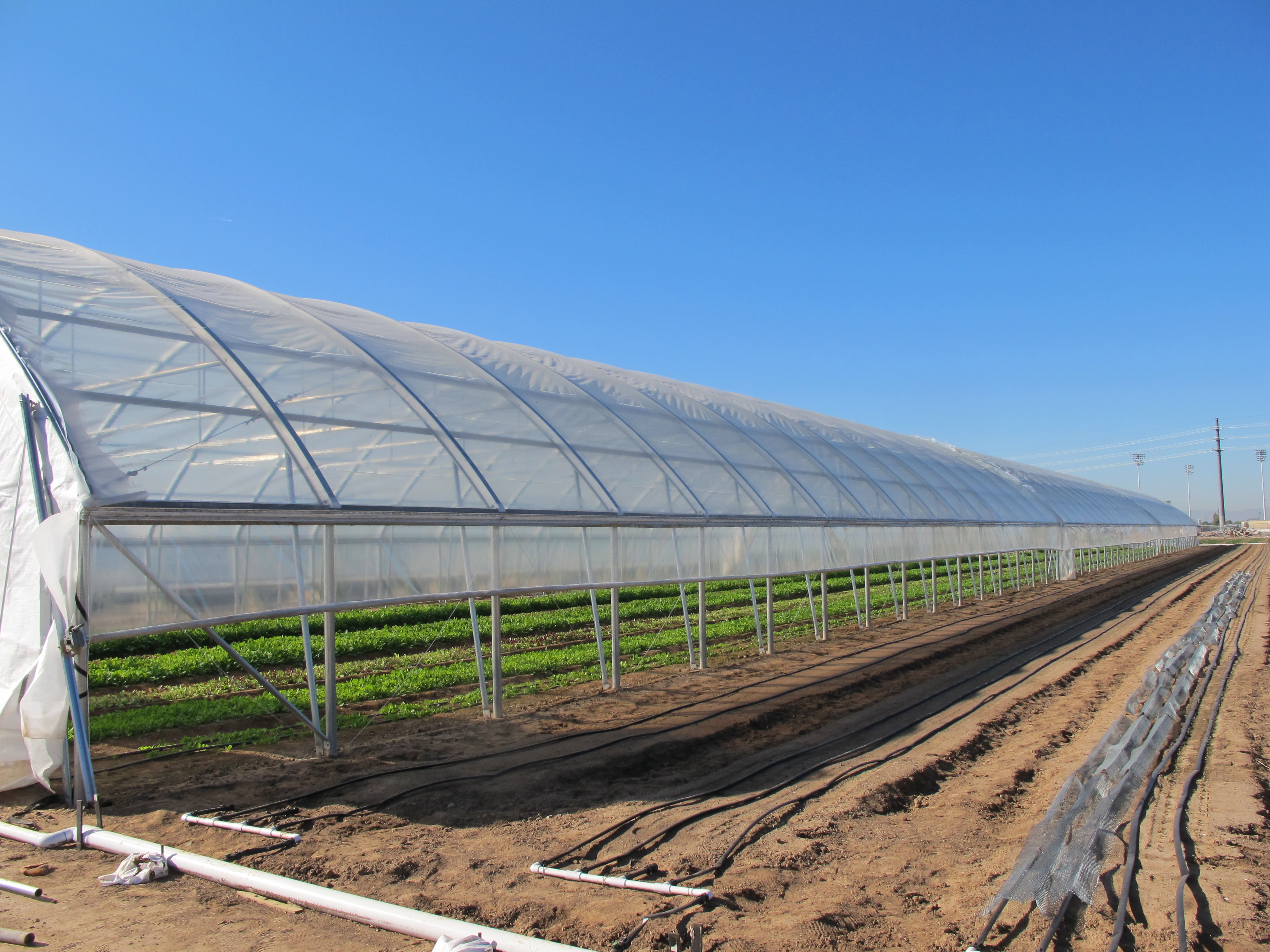
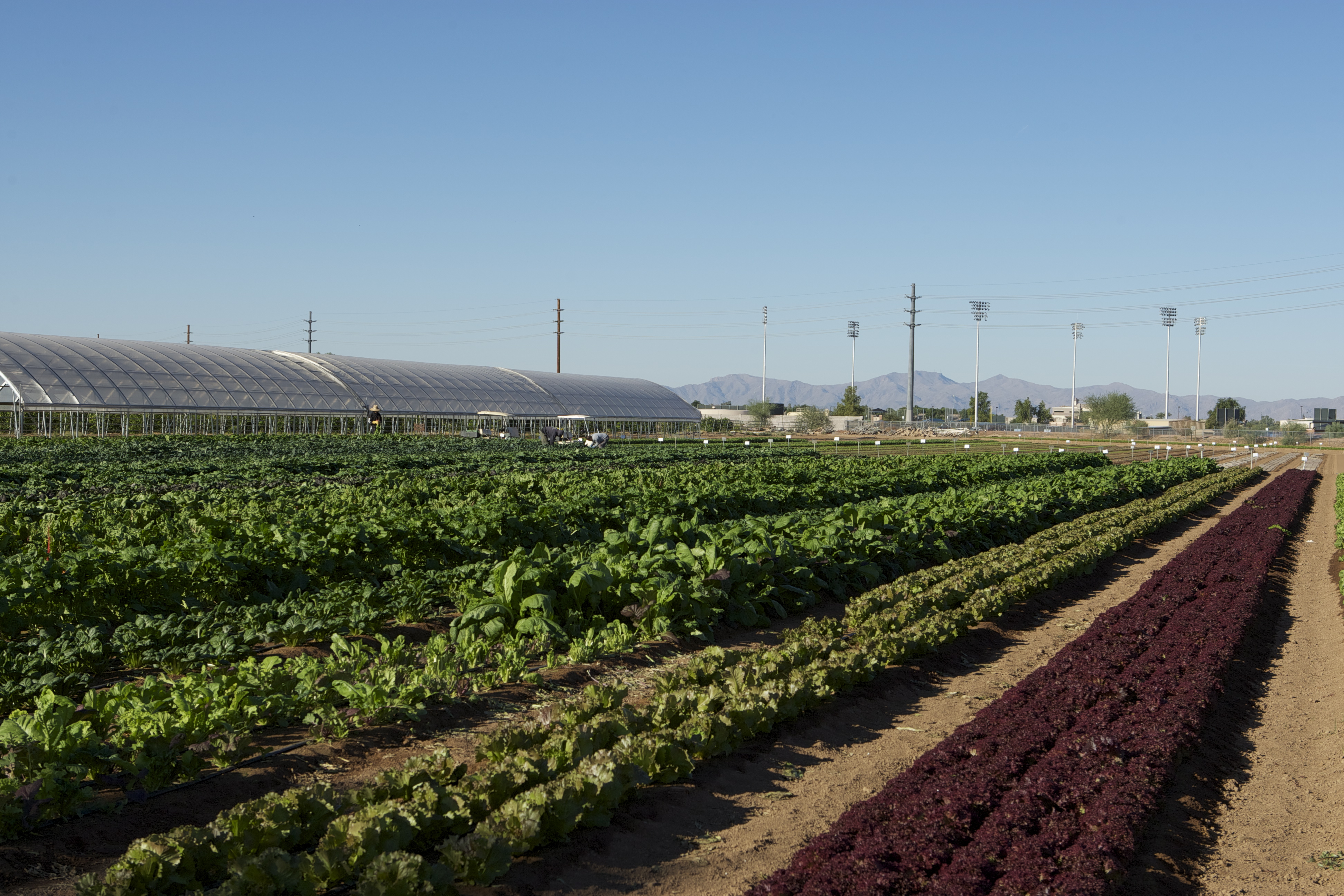
The high tunnel was built two summers ago for just such a purpose. The tunnel, at 300 feet long and 16 feet high, has helped us through the summers, with temperatures inside never going above 100-degrees, even on a 115-degree day. The shade cloth across the top can exclude 40% of the sunlight, to keep plants from being burned, while the sides can be raised to allow the air to flow through. During the winter, the high tunnel can be completely sealed off, so that the temperature never goes below freezing. We were able to harvest beautiful baby leaf greens in it last winter, days after a hard freeze, without seeing any damage. The shade houses in the front garden do the same.

We are strategic with where we plant. Lettuces and arugula can handle a light frost, but a heavy frost will burn them. Some are planted outside of the houses, when we know that we can harvest them before the weather turns. Other are planted inside the high tunnel or shade houses, so that we have greens to harvest after a frost. Broccoli, cabbage, cauliflower, kale are all fine out in the fields during a frost. Root vegetables that are deeper into the soil, like rutabagas, carrots and beets are also able to handle dips in the temperature; however, if it gets cold enough to kill the tops of the beets, we have cause to worry. Root vegetables that are not as deep in the soil, like radishes, are more sensitive and will turn clear inside. It is a balancing act that we watch carefully. Frost cloth helps protect down to 26-degrees, but beyond that there isn’t much that can be done. Although a freeze isn’t always a bad thing. Some chefs won’t put kale on the menu until the kale crop has gone through the first frost of the season, believing that the frost enhances the flavor of the kale.

Who knew?

The weather stations on the farm are part of the Davis Weatherlink Network, which is a network of similar stations across the country that can be accessed and monitored online. All of the weather stations are also equipped with a rain gauge (the black bucket) to measure rainfall and a spinner on the top for wind speed. You can access the weather data from our stations or from others in the network via a free app available here.

Then you too can weather obsess along with Bob.
Evolution…



Next stop…
Town & Country Shopping Center
Wednesdays from 8:30am to 2:00pm
4881 North 20th Street
Phoenix, AZ 85016
Old Town Scottsdale Farmers’ Market
Saturdays starting October 29th, 2011
From 8:00am to 1:00pm
Located on the Southwest corner of 1st Street and Brown in Scottsdale.
Brown is one block East of Scottsdale Road. 1st Street is two blocks South of Indian School Road.
See you tomorrow!!
We are coming back to Scottsdale!!
McClendon’s Select is coming back to the Old Town Scottsdale Market this Saturday!
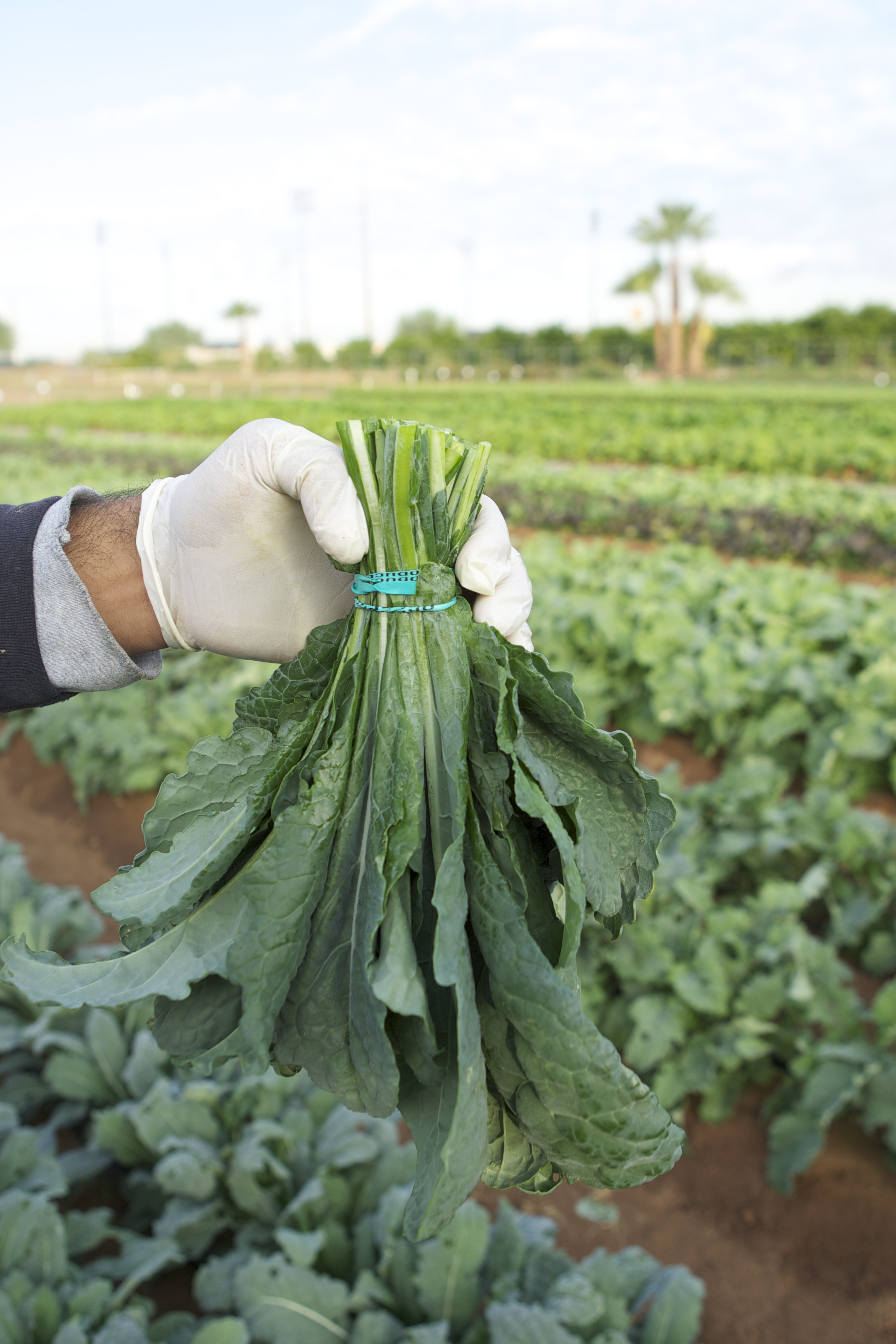
We will have a whole bounty from the fields with us. Our farm is bursting right now with salad, beautiful Tuscan kale, rainbow chard, radishes and turnips in every color, tat soi, bok-choi, and the most fragrant basil. Just to name a few, there will be much to choose from.
Chef Payton Curry will be on hand again to help answer your questions about preparing and serving all of our different produce. The market is also off to an earlier start this year, so we will be open and ready for you at 8:00am.
We look forward to seeing all of our friends in Scottsdale again!!
Town & Country Shopping Center
Wednesdays from 8:30am to 2:00pm
4881 North 20th Street
Phoenix, AZ 85016
Old Town Scottsdale Farmers’ Market
Saturdays starting October 29th, 2011
From 8:00am to 1:00pm
Located on the Southwest corner of 1st Street and Brown in Scottsdale.
Brown is one block East of Scottsdale Road. 1st Street is two blocks South of Indian School Road.
More green than before…

As of 8:48am this morning we started a new type of farming. We are now in the business of harvesting the sun. And this morning, after months of working on this project, Salt River Project came out and flipped the switch.

Oh was it nice to see our electric meter spinning in the other direction! We are now producing clean energy, not only for our own needs, but we are able to send the excess energy generated back out into the power grid.

Earlier this summer, we started working with Royal Solar of Arizona on the installation of a 50kW (49.92kW to be exact) solar field on the roof of our warehouse. While Sean was busy prepping the fields for crops, Bob was prepping the roof of our warehouse for the 208 solar panels for our system. Here is a little of the progress as it unfolded this summer…


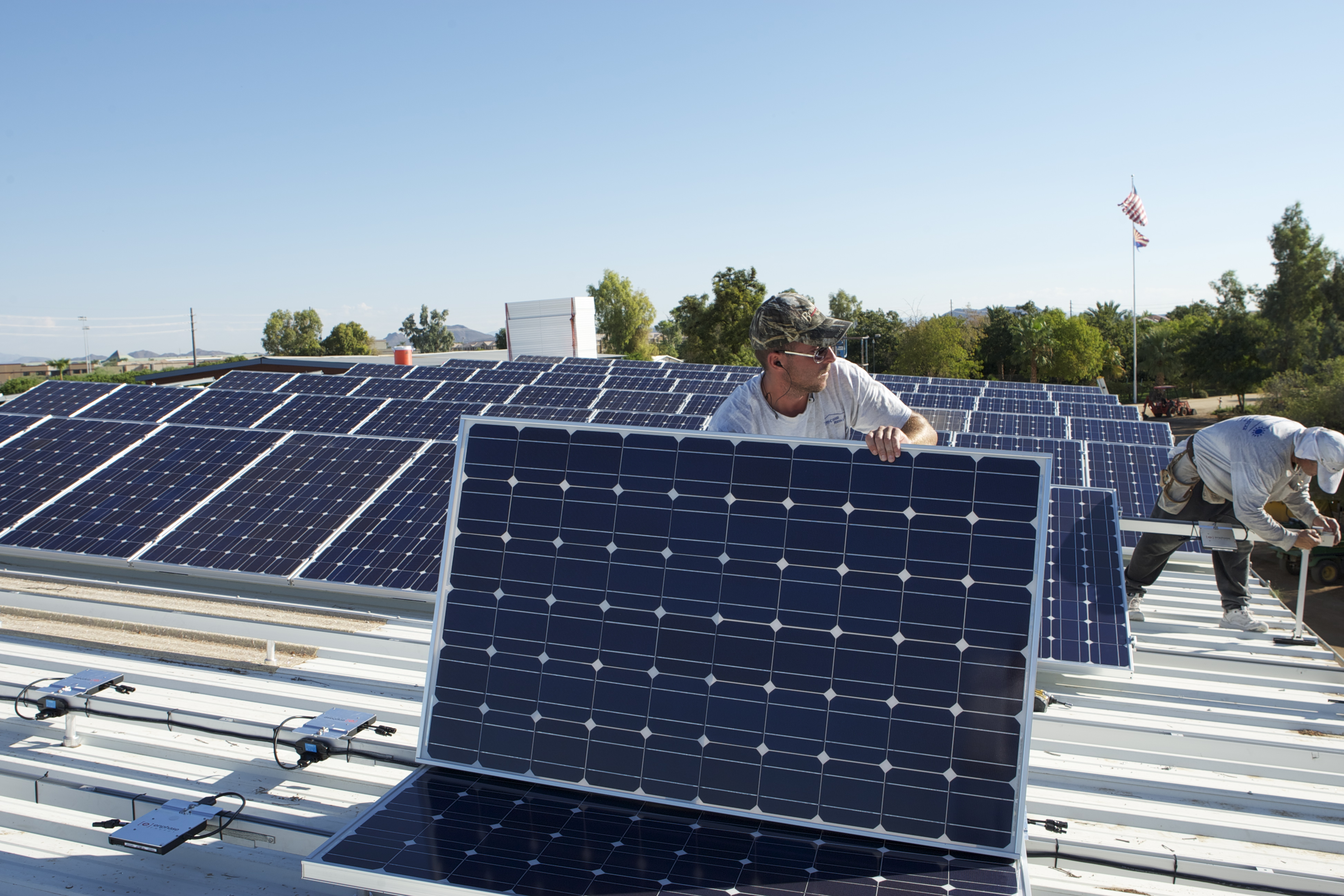


This is taking our organic farm into a whole new level of sustainability. This system will provide our farm with clean solar electricity for the next 25-30 years. The projected annual electricity production from the system will 86,200kWh. At this yield the system would offset 4,126,124 lbs of carbon over its lifetime, the equivalent of planting 42,609 trees or saving 211,843 gallons of gas. Royal Solar of Arizona could not have been easier or nicer to work with. Everything from the moment we started working on this project was handled professionally and efficiently. They did a beautiful job with the installation and we are excited to partner with them on this project. They have installed a similar system at the Queen Creek Olive Mill. They do residential installation as well. For more information, visit www.royalsolaraz.com. They have a write up about our specific project as well that you can find here.
And now for the sentence I never thought I would say…

I can’t wait for next month’s electric bill!!
How to garden…
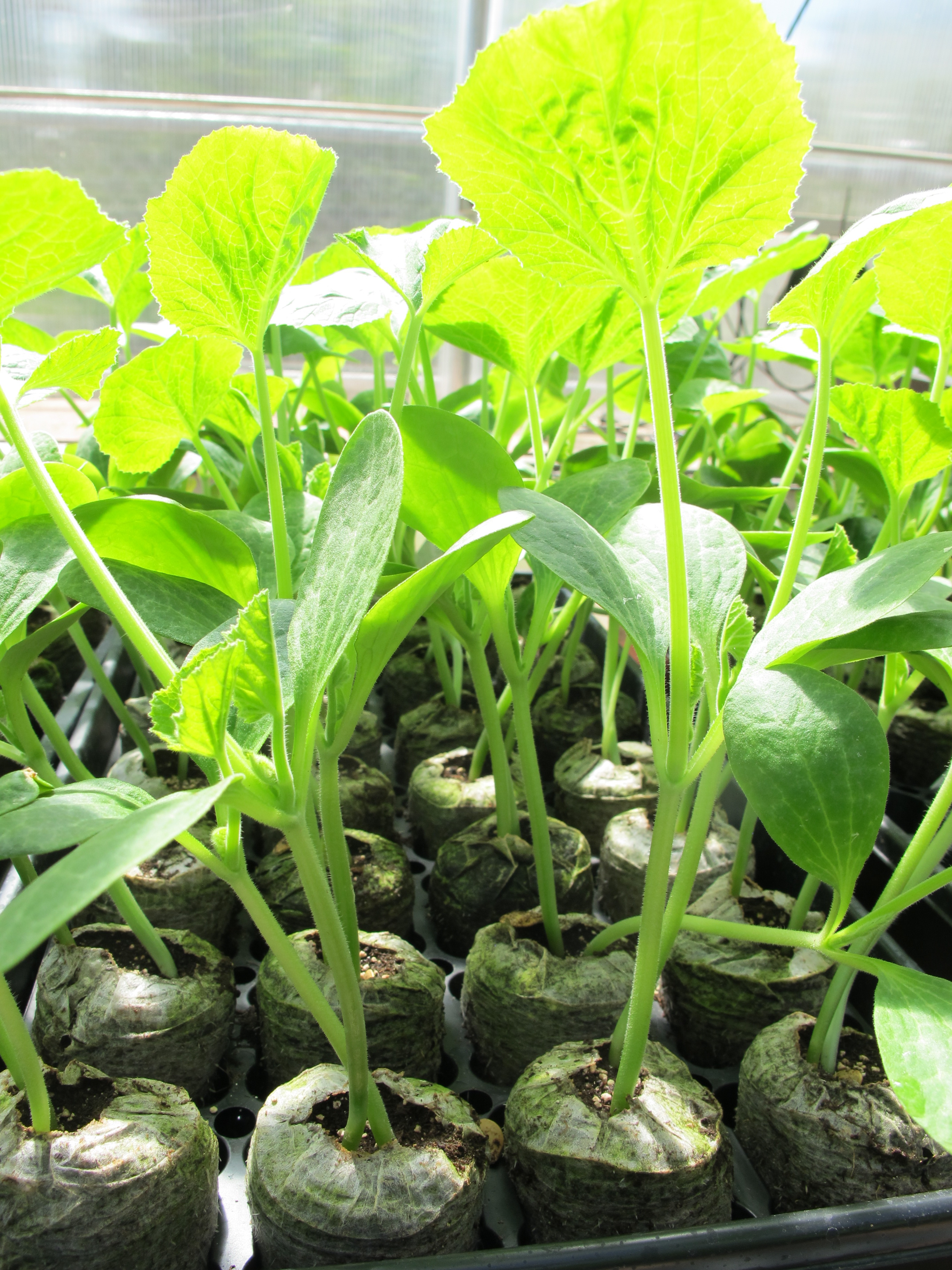
We get questions a lot at the farmers’ markets about home gardening. What and when to plant, how much to water, what types of soil to use, what grows in the desert??
Well, here is an answer to all of those questions…
Heather Taylor, who works at the markets with us, is teaching a six session class on food gardening through Urban Farm. The Urban Farmer Gardening Intensive program will be held over three weeks with Thursday night sessions running from 6:30-9:00pm in a classroom to learn about assessing your gardening space, soil and tools, site preparation, building healthy soil and composting, and learning about watering methods, seeds types and mulching. The Saturday sessions will be hands on in the garden and with a visit to a nursery to put these lessons into practice.
She will also talk about the benefits of home food gardening and how to do so economically for your family. This is the first of these classes through Urban Farm, and they are being offered at an introductory price of $75/student for the six sessions.
Information on the class and registration is available on UrbanFarm.org. The first class is Thursday, October 20th. Yes, I know a little soon; however, if this is too soon for you, there are plans for future sessions that will be posted on the site. They are planning to offer this course a three different sites around the Valley.
You can also download a free Desert Planting Calendar when you register on the Urban Farm site. Heather swears this is the most comprehensive planting calendar for a desert climate that she has ever seen. Registering will also put you on their mailing list for information on future classes and programs.
Keen-WAH…
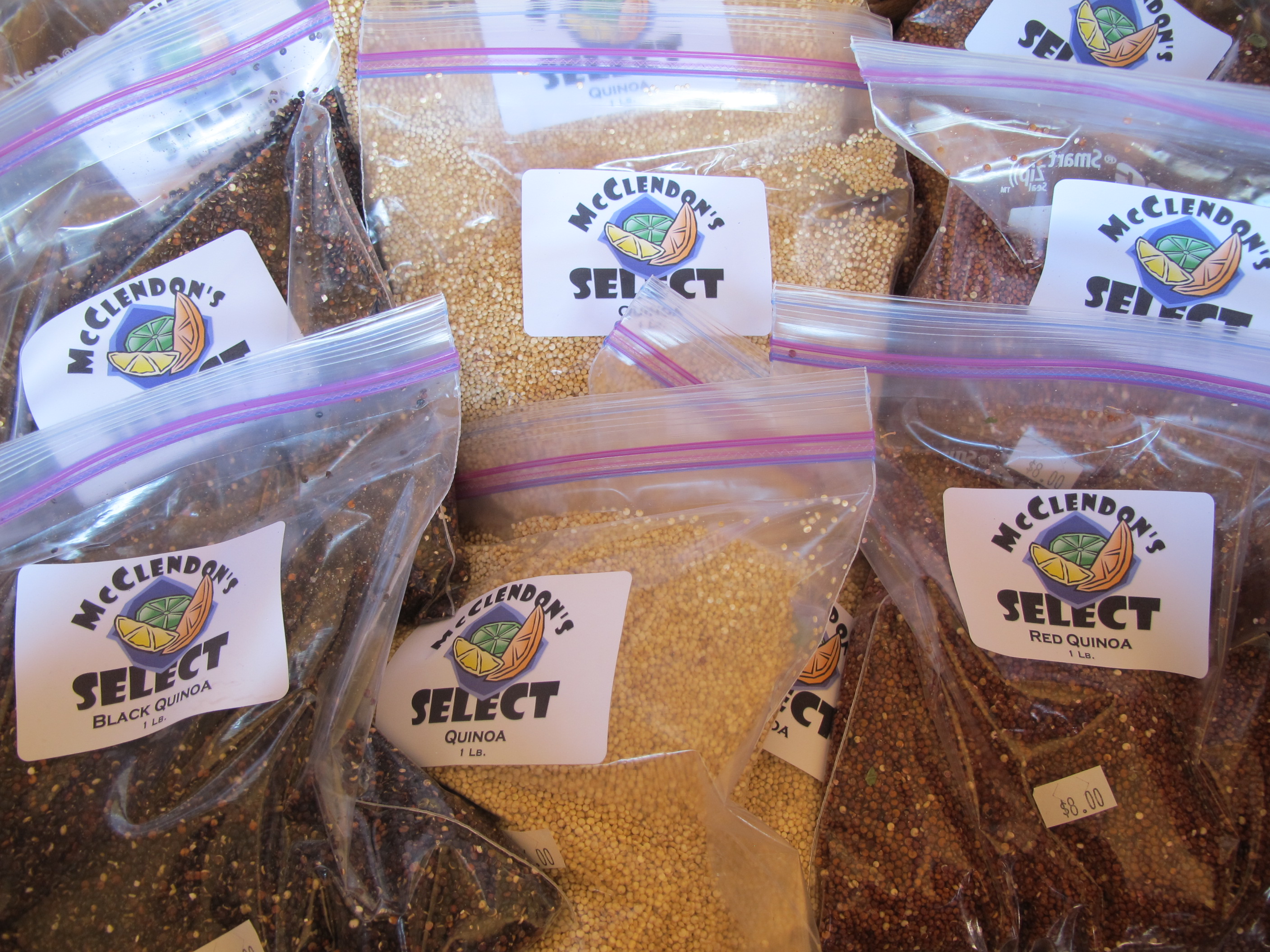
One of the new additions to our market, that I am the most excited about, is Quinoa.
Have you tried it yet?
Quinoa has been a staple of our diets for awhile, and I love it.
Quinoa is a grain-like crop that is harvested for its seeds. While it is considered a grain, the plant itself it is really a relative of leafy greens, such as Swiss chard and spinach. The greens are edible, but the seeds are the real story. There is a lot in those little seeds. Quinoa not only has a high protein content, but it is a complete protein, meaning that it has all nine essential amino acids. It is also a good source of fiber, calcium, manganese, magnesium and iron. It is a native grain to South America, specifically in the region of the Andes Mountains in Ecuador, Chile, Bolivia and Peru, that has a history that goes all the way back to the time of the Incas. The Incan warriors liked it because it helped increase their stamina during battle. More recently it has been credited with helping with migraine headaches and being valuable to promoting cardiovascular health. It is easy to digest and pretty versatile to serve. Quinoa can be substituted in any recipe calling for a whole grain, and it can be ground into a flour to use in making breads or pastas.
With all of that, I would eat quinoa in a heartbeat. But truthfully, we started eating it because we just really like the flavor. And it is super easy to make.
Quinoa is a little nutty tasting and goes well with so many things. It is as easy to prepare as rice, and I can whip it up without much thought. To cook it simply add two parts water or chicken stock and one part quinoa, bring to a boil and then turn down to a simmer. Cover and allow it to simmer for 10-15 minutes. Quinoa will puff up and absorb the liquid, like rice. You can prepare in a rice cooker too, if you prefer. To bring out the nutty flavor even more, you can dry roast it before cooking. Just put it in a skillet on medium-high heat for 5 minutes with a little oil. You can add quinoa to soups, salads, or serve it as a side dish. Some cultures prepare it for breakfast with a little honey, fruit and almonds.
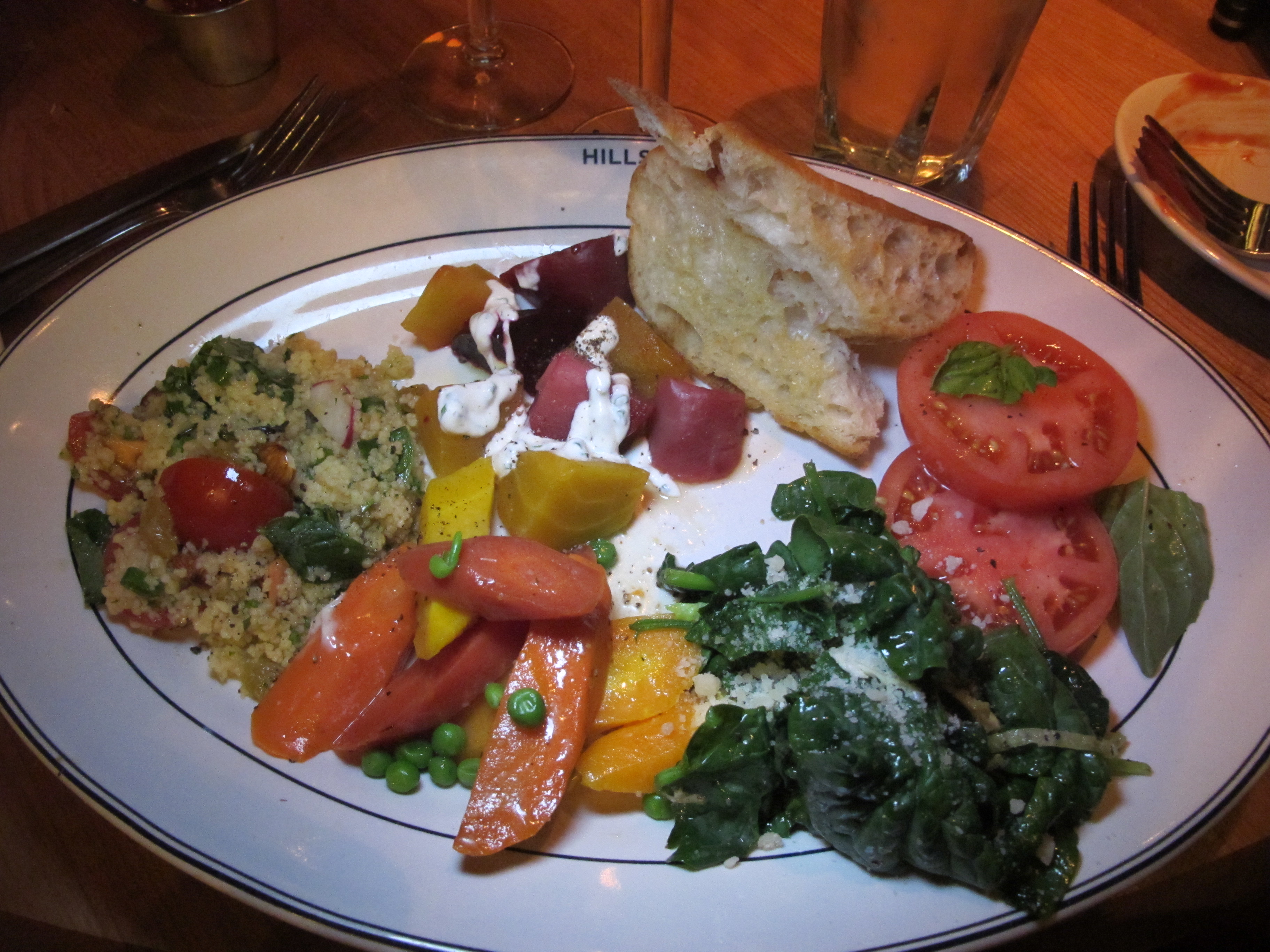
We have started seeing it on menus around town recently, here at Hillstone as part of their vegetable plate…
And at St. Francis as a side…
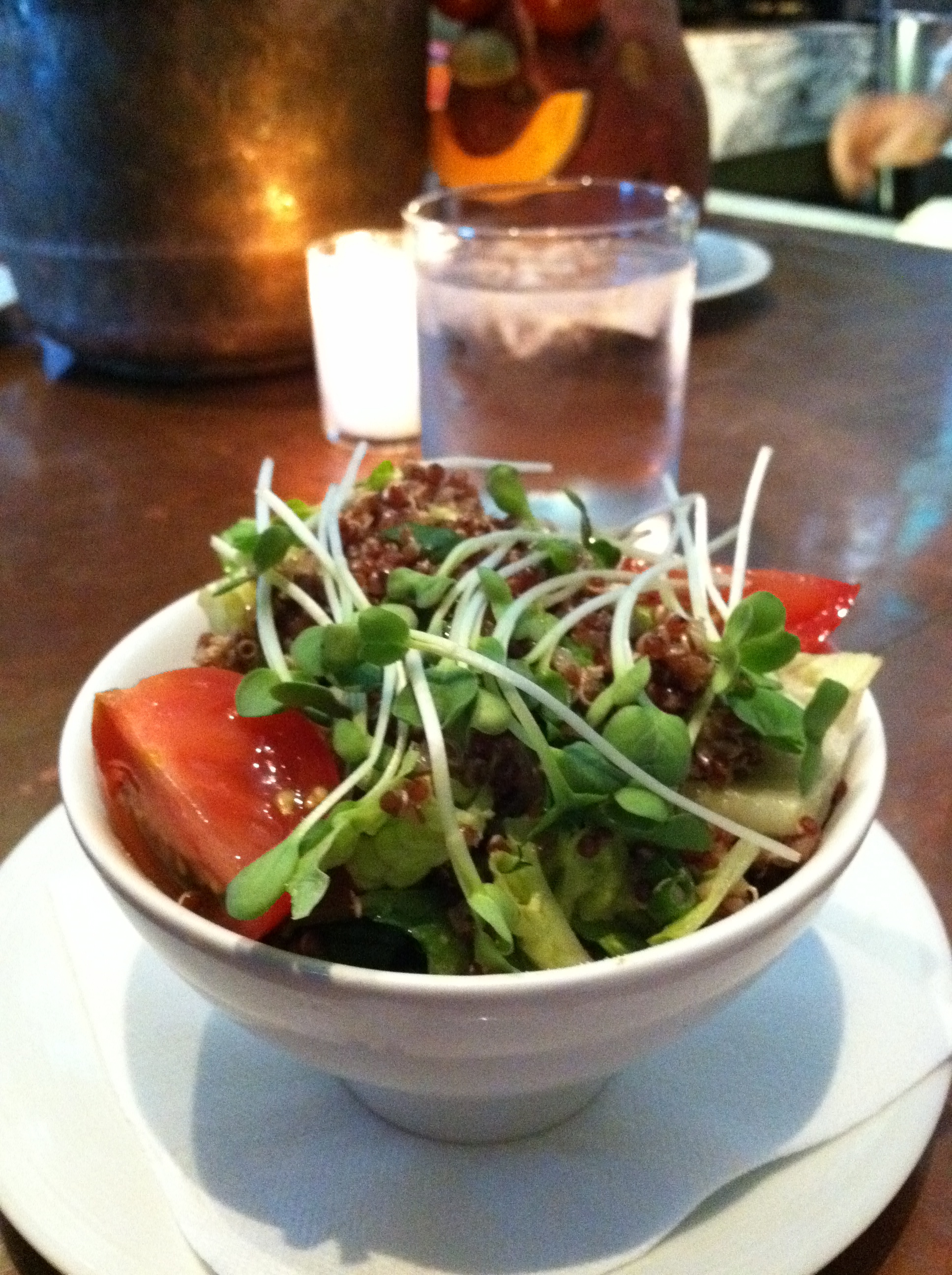
There are 120 different varieties of quinoa that come in all colors, but the most popular are black, red and white quinoa. These are three varieties that we are now carrying at the markets. I have attempted my own version of the quinoa dish that is prepared at Hillstone, by adding golden raisins, toasted pine nuts, radishes, tomatoes, mint leaves and a little olive oil and balsamic vinegar. It is in regular rotation at our house, although I am still partial to Hillstone’s version. I am also hoping to try this recipe for Quinoa Risotto (below) soon. Enjoy!!
Quinoa Risotto:
-2 cups quinoa
-2 tbsp extra virgin olive oil (or butter)
-good chicken stock
-1/2+ cup white wine
-1/2+ cup parmesan reggiano (or pecorino)
-salt and pepper
-garlic
-add whatever chopped veggies you like… carrots, parsley, onion and parsnips.
Directions:
-saute veggies in olive oil/butter until tender
-add garlic and sauté for a minute or two
-add salt and pepper
-de-glaze the pan with 1/2 cup white wine and let it simmer
-add 2 cups quinoa
-add enough chicken stock to generously cover the quinoa
-before serving, stir in a little more white wine
-add 1/2 cup (or more) shaved parmesan or pecorino
(Recipe from The Daily Muse)
Big thanks to our friends…
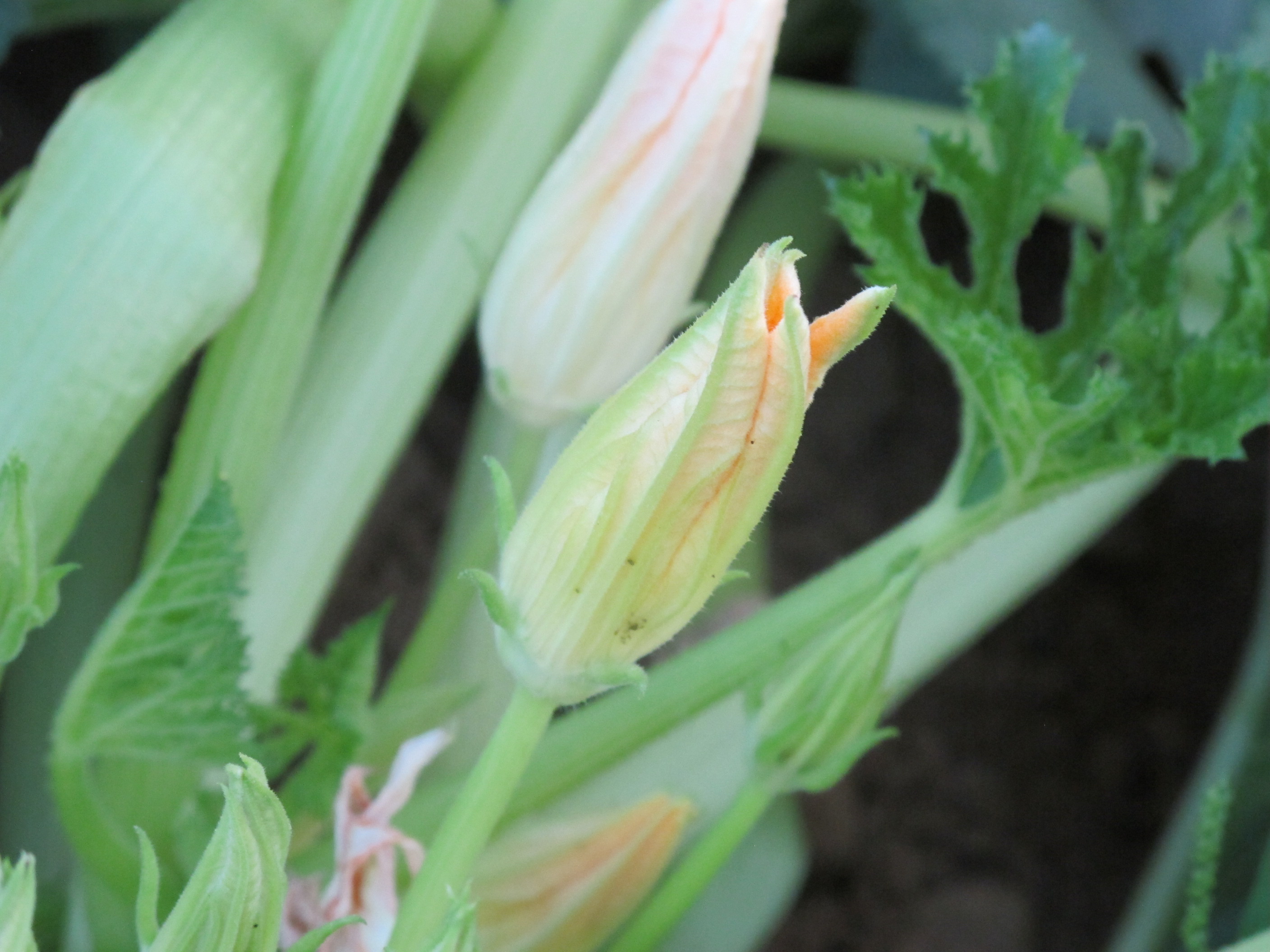
We had a wonderful first market of the season last week at Town & Country!
It was so great to see all of our friends again. After a long summer of hard work, there is nothing more rewarding for us than to see a full bounty picked and on display at the market. We were overwhelmed and flattered with the huge turnout last week, it was our best opening market ever. We are ready for you on Wednesday and will have all of the cash registers up and operating to get those lines running quicker.
Thank you again and see you on Wednesday!!
Town & Country Shopping Center
Wednesdays starting October 5th, 2011
From 8:30am to 2:00pm
4881 North 20th Street
Phoenix, AZ 85016
Old Town Scottsdale Farmers’ Market
Saturdays starting October 29th, 2011
From 8:00am to 1:00pm
Located on the Southwest corner of 1st Street and Brown in Scottsdale.
Brown is one block East of Scottsdale Road. 1st Street is two blocks South of Indian School Road.


 McClendon's Select